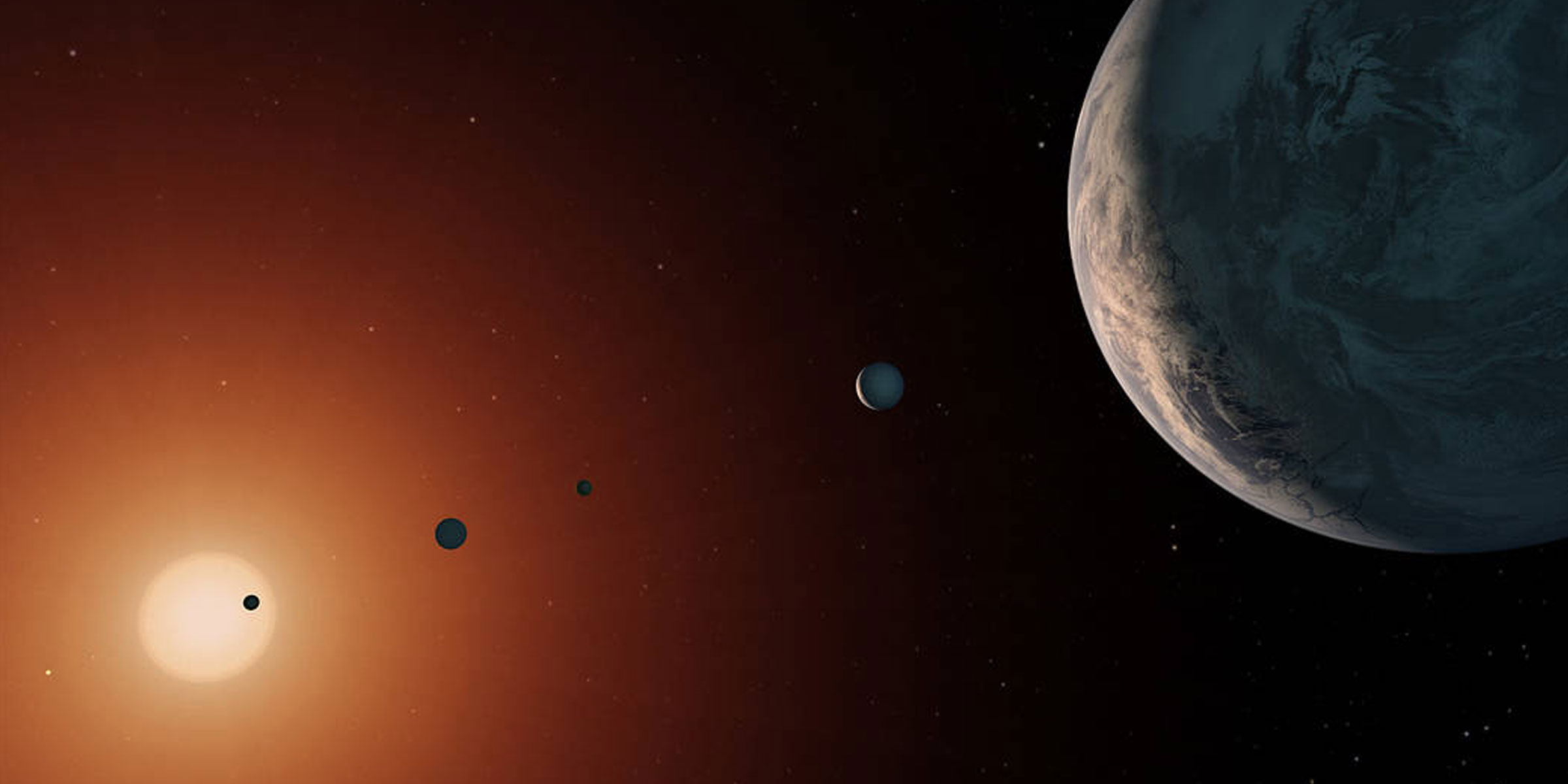
NASA’s Kepler Space Telescope found that the night sky is filled with more planets than stars! Explore attention-capturing videos about its discoveries.
Are you interested in playing ViewSpace in...
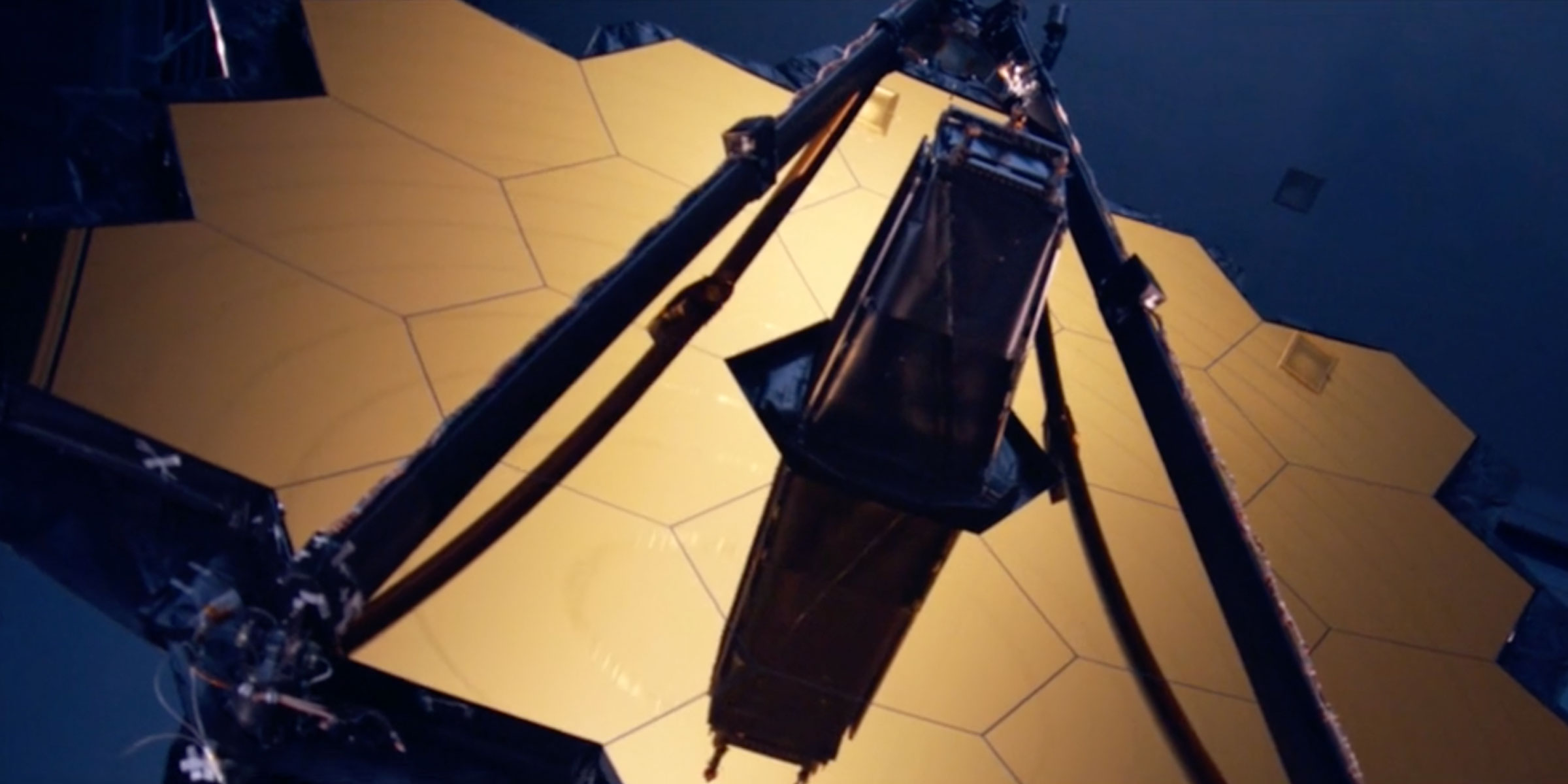
NASA’s James Webb Space Telescope provides a powerful view of the universe: Its instruments are sensitive to infrared light in high resolution. These longer wavelengths of light allow us to capture...
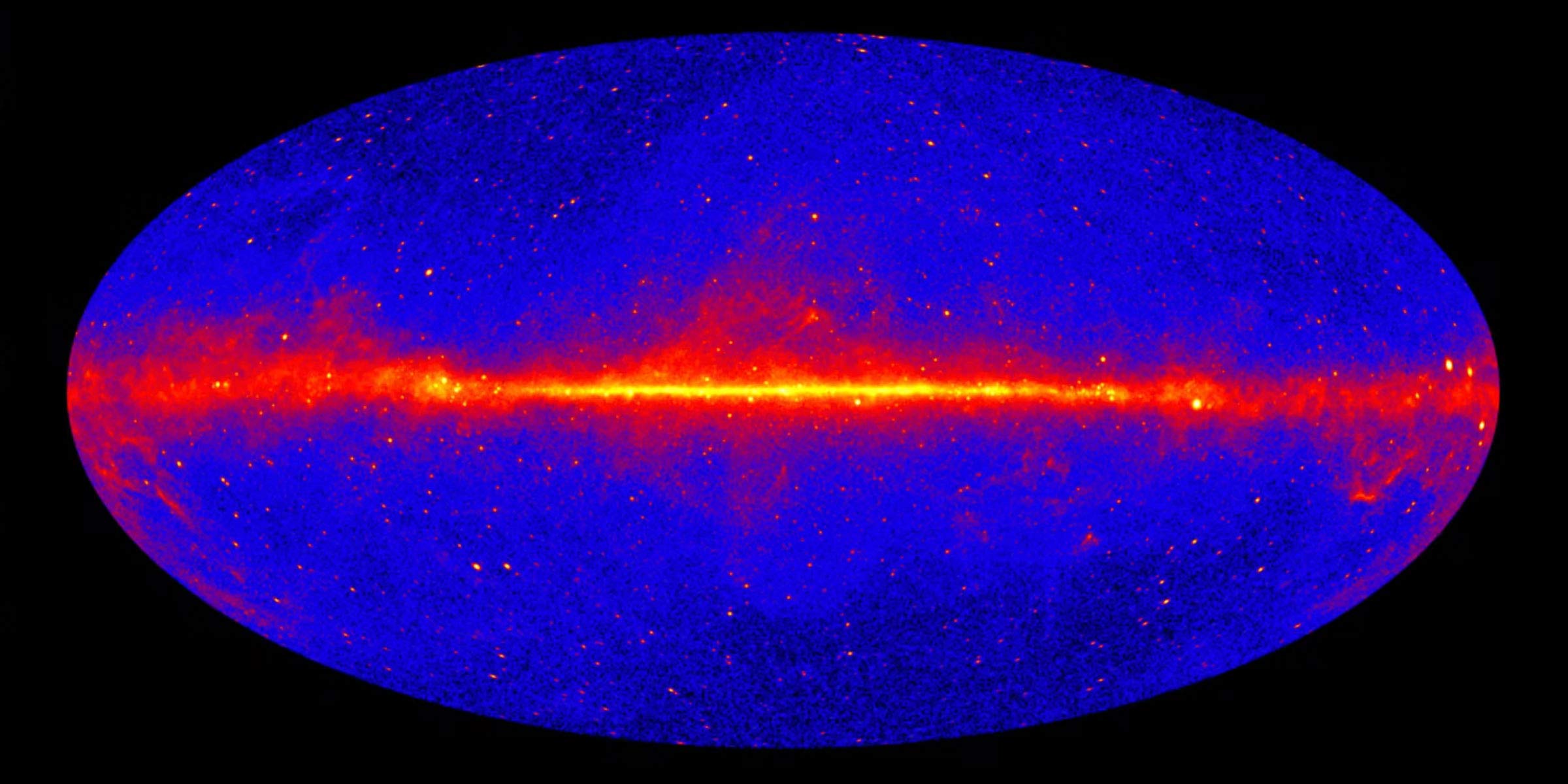
Gamma rays are produced by the hottest and most energetic objects in the universe, including neutron stars and pulsars, supernova explosions, and regions around black holes. See how this type of light...
Explore how NASA’s Fermi Gamma-ray Space Telescope opens a wide window on the universe by capturing gamma rays across the sky. These videos address how the observatory helps us answer persistent...
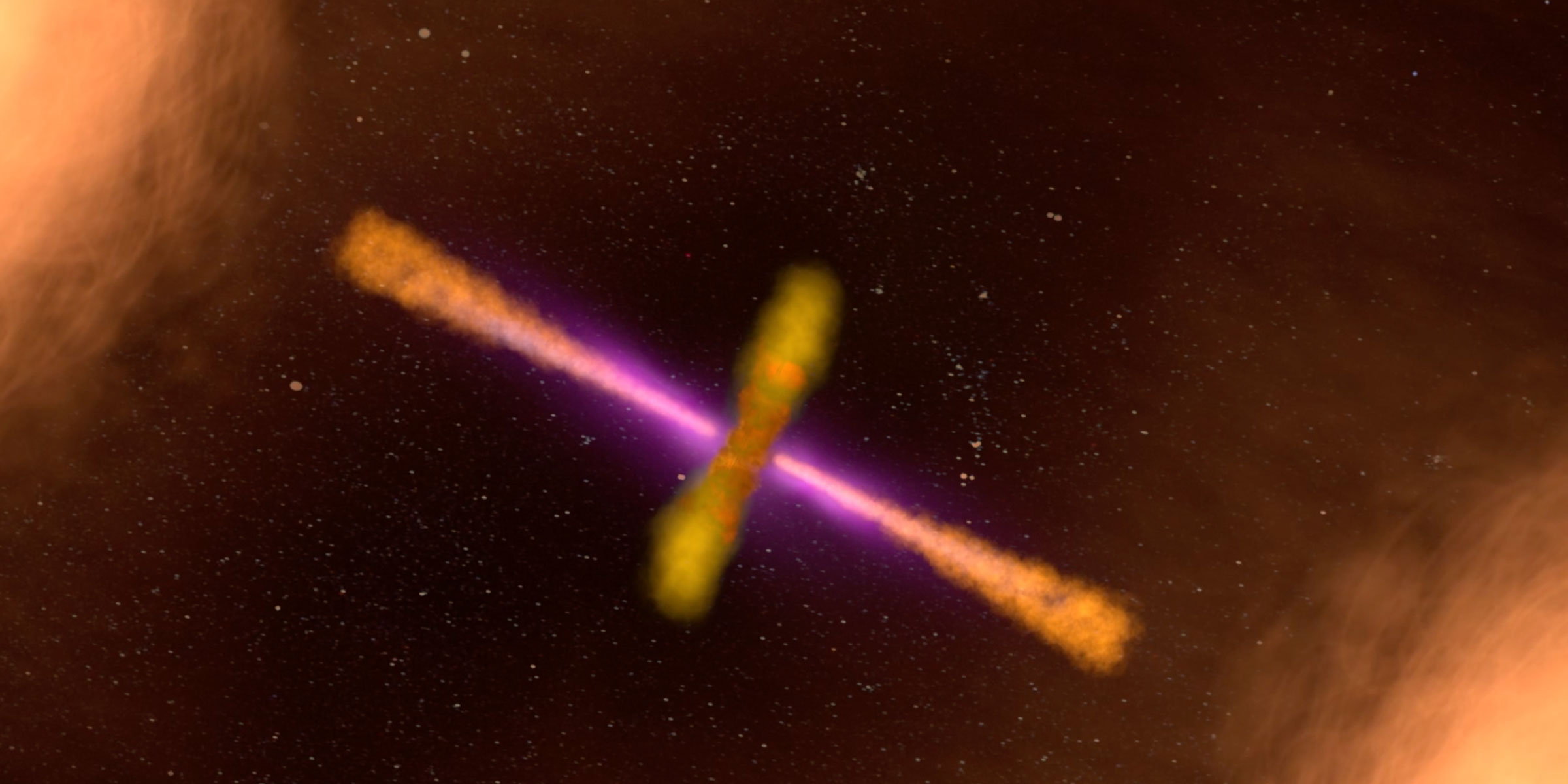
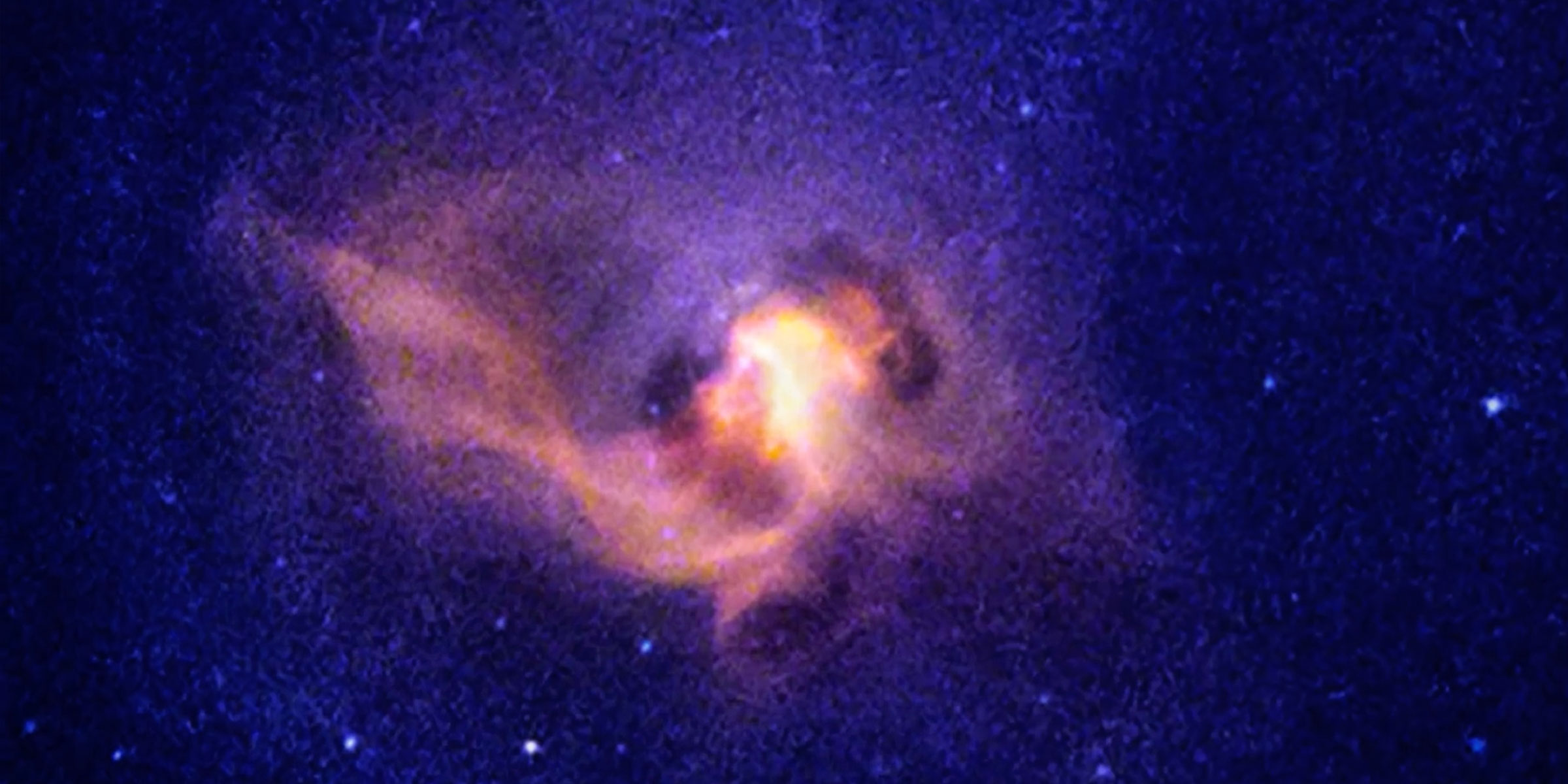
What are black holes? How can we detect them? These videos allow your visitors to journey to the centers of galaxies to explore what we know about these elusive objects.
Are you interested in playing...
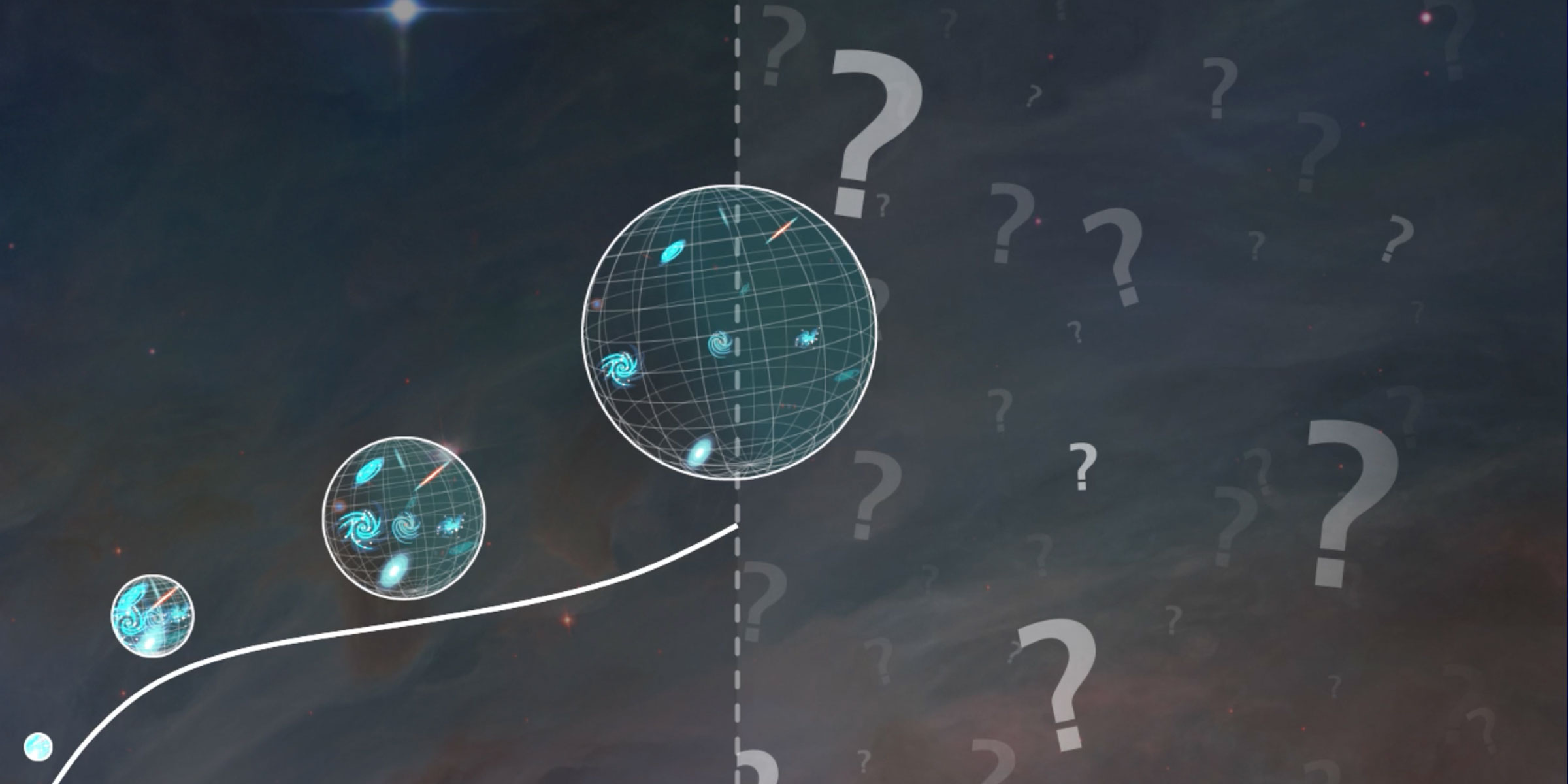
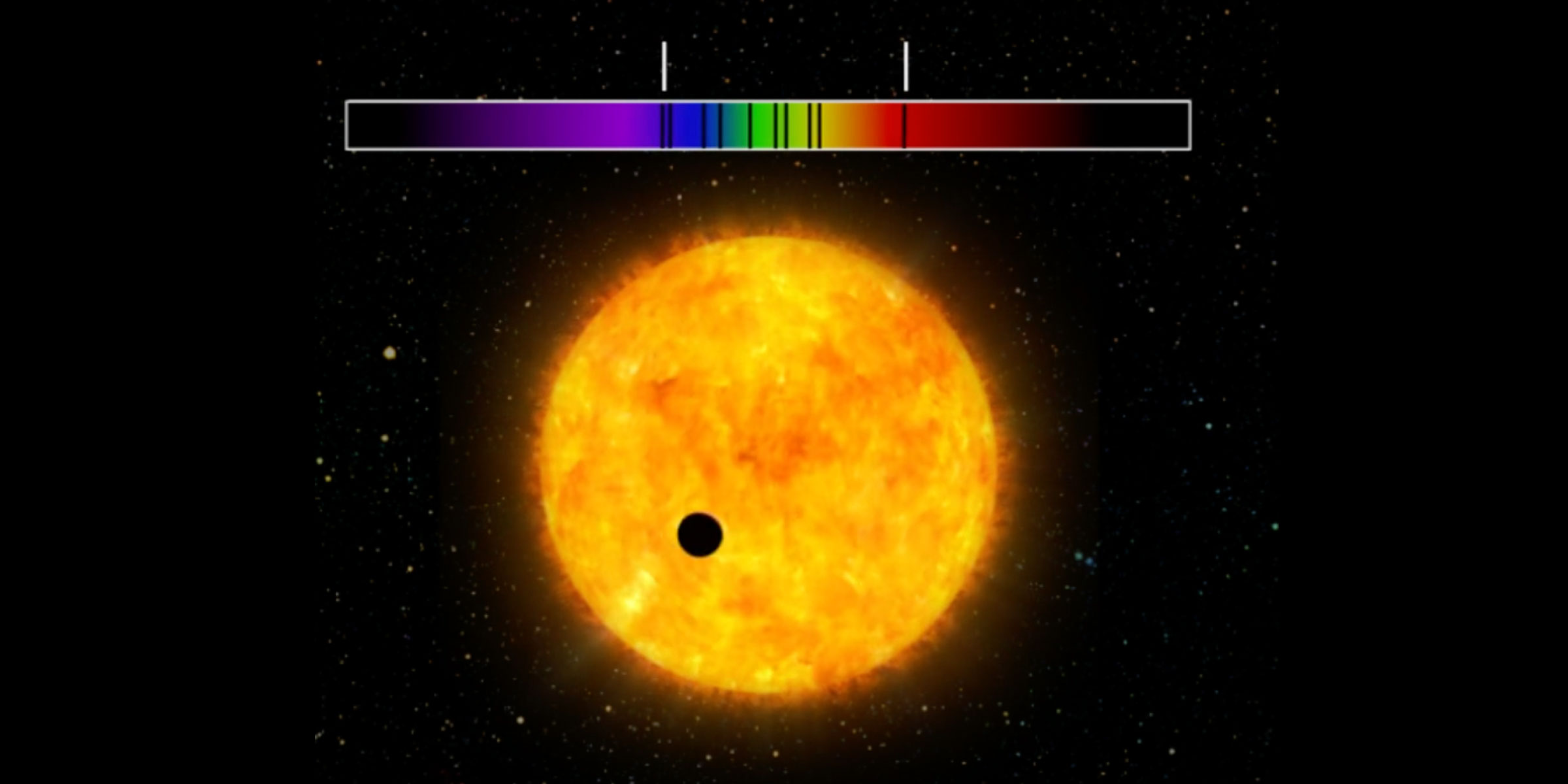
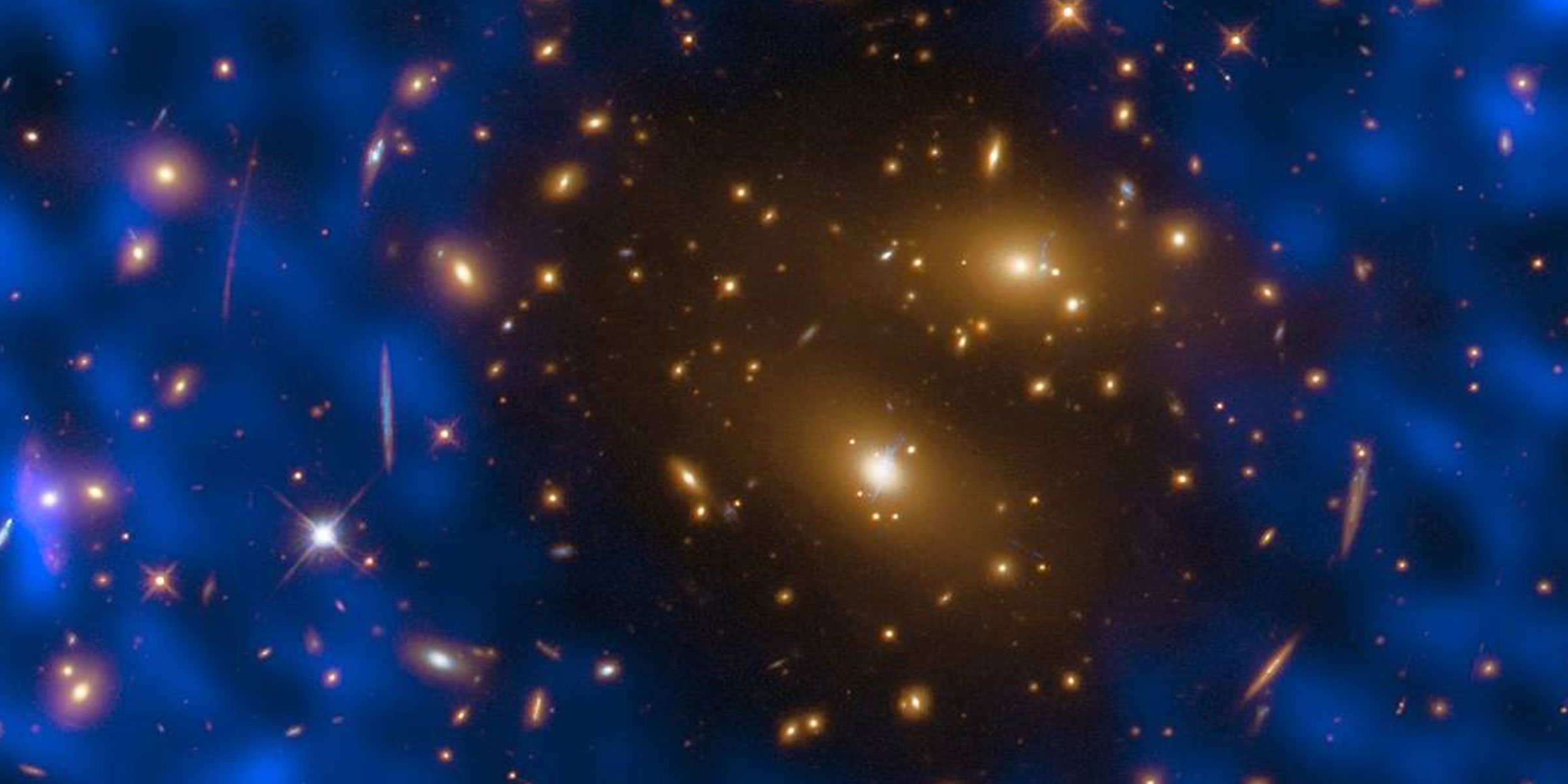
We know the universe is expanding, but how fast? Did you know that dark matter does not cast shadows? How does a star’s light reveal the makeup of an orbiting planet's atmosphere? Explore these...
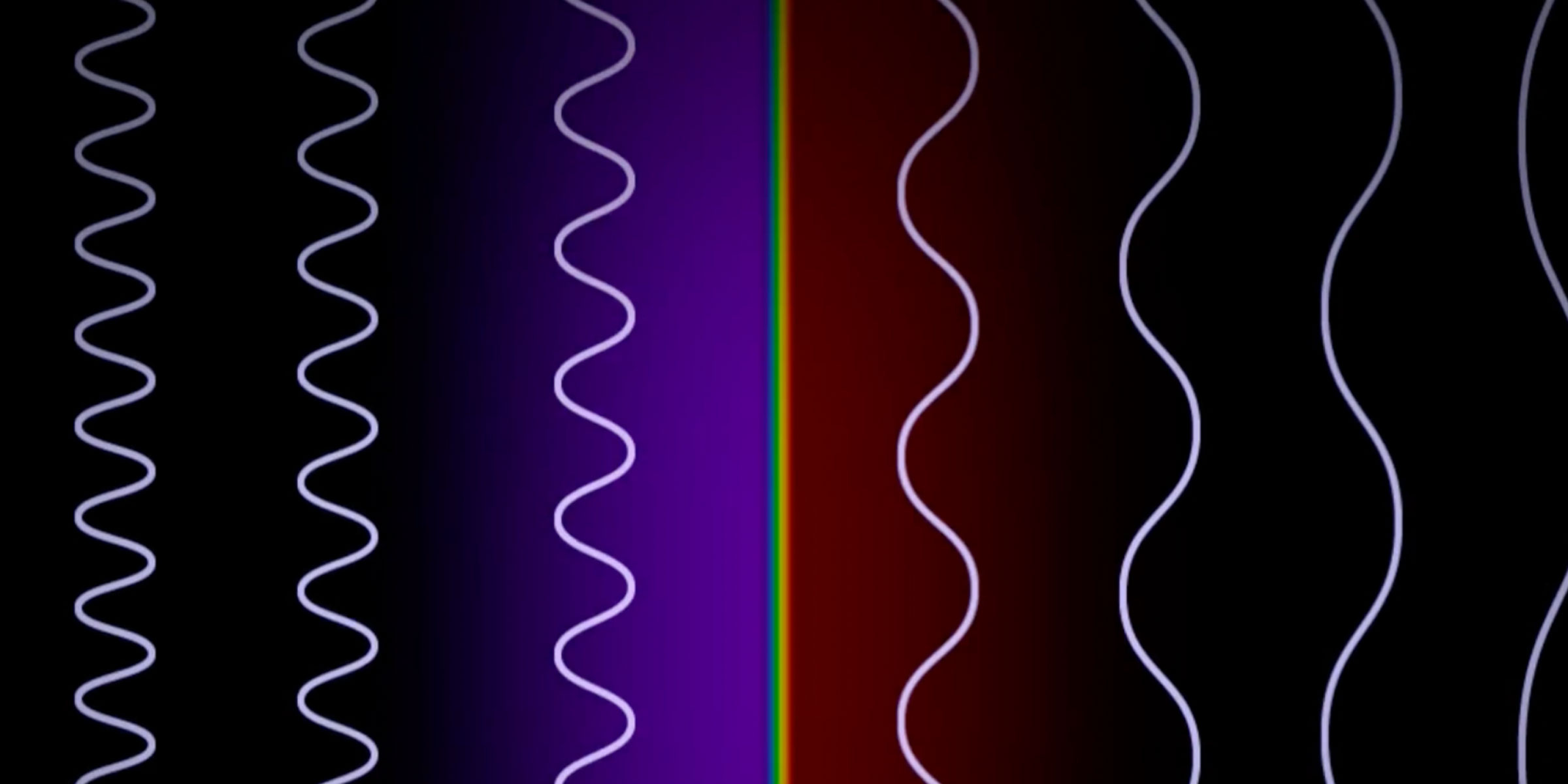
Electromagnetic radiation – light – carries information to us from distant objects in space. Explore what light, in all of its frequencies, tells us about stars, galaxies, and the night sky...
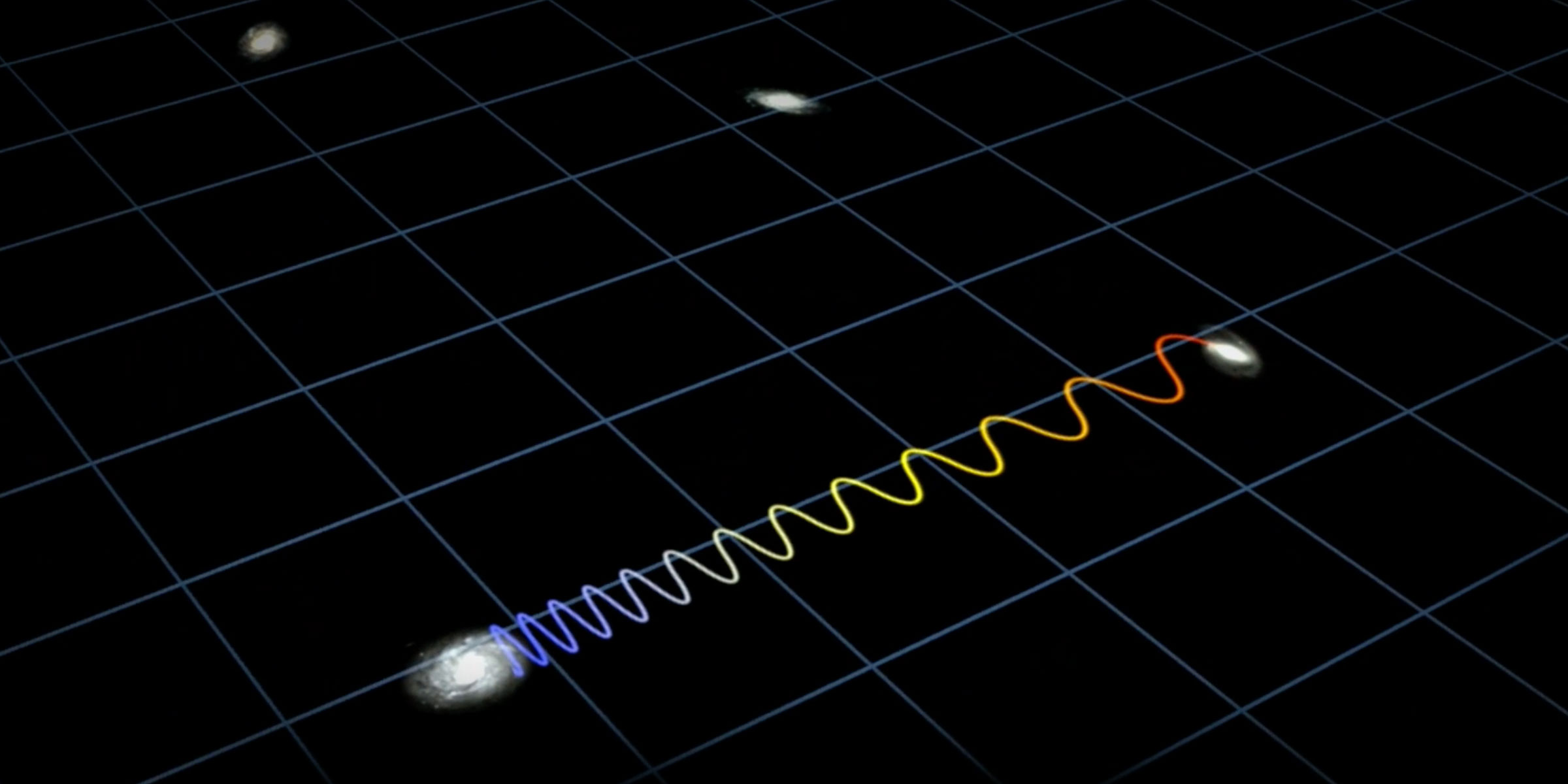
As light travels for tens to hundreds of thousands of light-years to Earth, it carries information to us from galaxies, stars, black holes, and so much more. Explore what researchers can learn by analyzing...
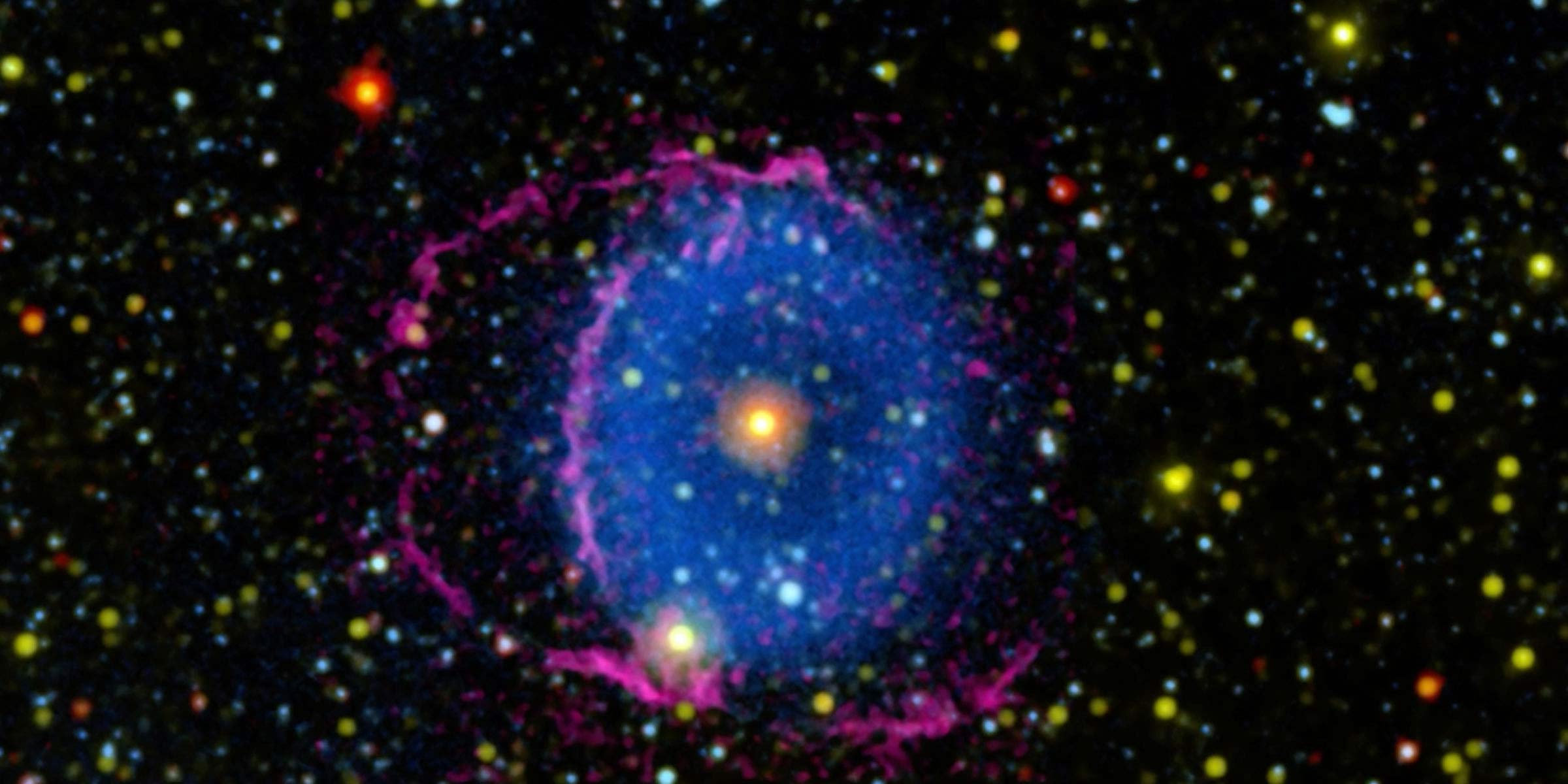
NASA’s Galaxy Evolution Explorer (GALEX) sent back ultraviolet light images of the universe. The telescope helped astronomers learn how the early universe evolved, and better characterize black holes...
Teach your visitors how combining light from across the electromagnetic spectrum helps us learn an incredible amount about the universe in this video series.
Are you interested in playing ViewSpace in...
Along with imaging, spectroscopy is one of the most common and useful techniques in astronomy. Spectroscopy is used to figure out what objects are made of, how hot they are, how dense they are, and how...
ESA’s Planck satellite studies the cosmic microwave background radiation, the most ancient light in cosmic history, released when the universe was just 380,000 years old. Learn what we know about...
Microwaves are even longer than radio waves. The oldest microwaves – extremely faint, low-energy light – have made it to Earth, revealing the afterglow of the big bang. Watch videos about how...
Radio waves are some of the most stretched out light in the universe – they have the longest wavelengths in the electromagnetic spectrum. Find out what they help us learn about galaxies, galaxy clusters,...
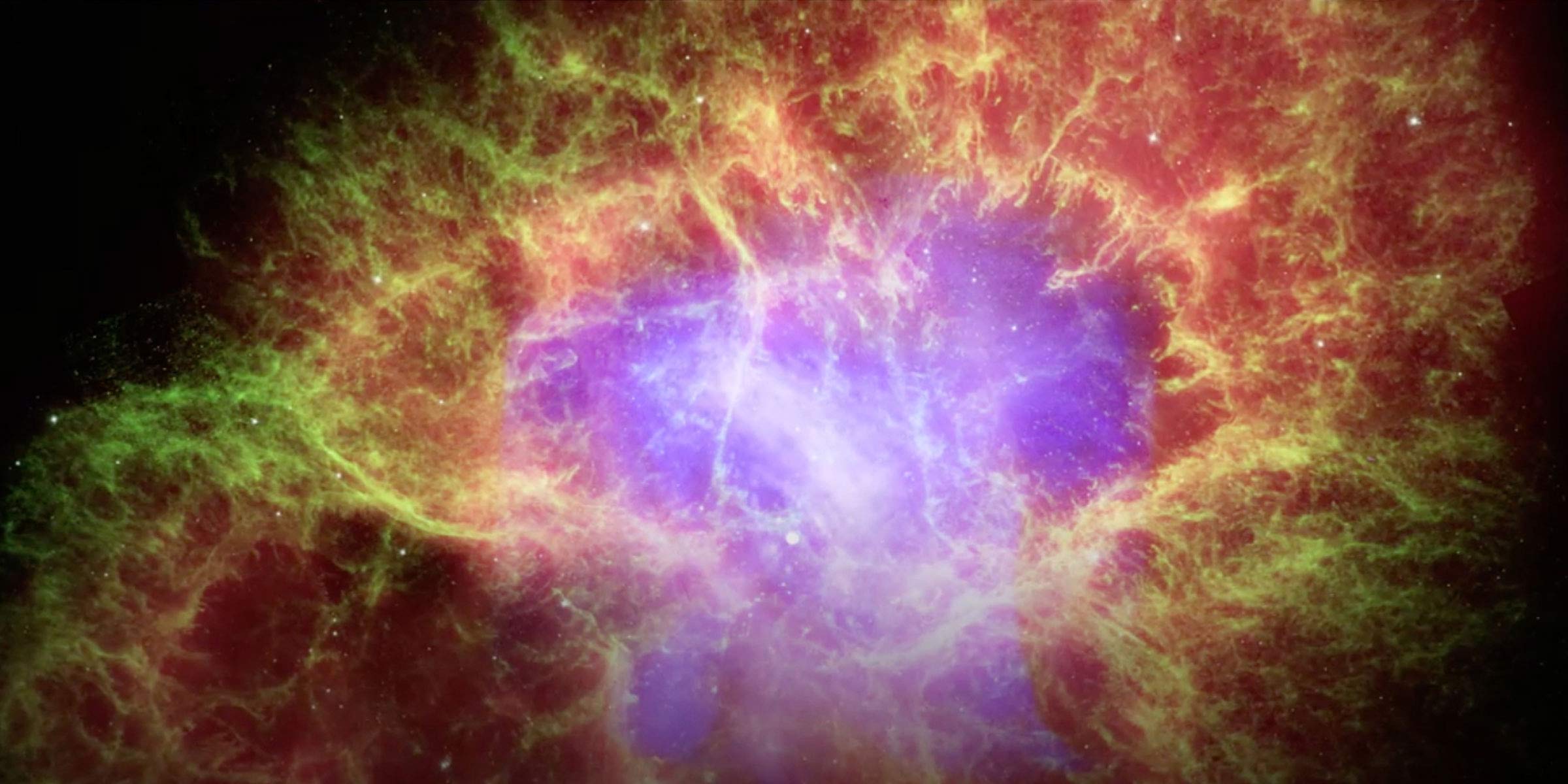
Explore how NASA’s Chandra X-ray Observatory helps us learn about exploded stars, clusters of galaxies, and matter around black holes. You can also help audiences compare its X-ray observations to...