PROGRAM FACILITATOR GUIDES
Introduction
Create your own event using NASA’s Universe of Learning resources
Whether you have extensive experience organizing STEM events — or none at all — these resources will provide you with activity ideas, science background information, and assistance planning and managing logistics for a successful event.
Callout: Quote
"The Facilitator Guide was incredible. There was so much in it that we’re probably going to come up with another program in a couple of years… We also learned so much and got so many resources from NASA’s Universe of Learning."
– Marie Brenna, Lawrence County Public Library
End callout
STEAM Program Guides
Detailed guides, background information, slide decks, and activity ideas to engage your audiences with NASA astrophysics.
-
Stars
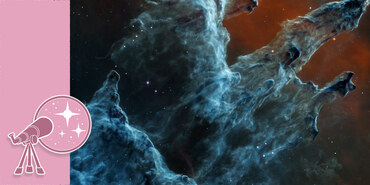
There are more stars in space than grains of sand on all of Earth’s beaches! In this theme, event participants learn about the stages in the life cycle of a star, and how the fate of a star depends on its mass.
-
Data and Imaging Processing
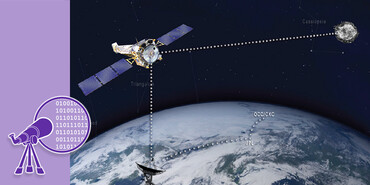
Telescope images do not come from space fully assembled: They arrive as data encoded in 1s and 0s that need to be processed! In this theme, event participants will learn how we communicate with space telescopes and how we turn astronomical data into images.
-
Electromagnetic Spectrum
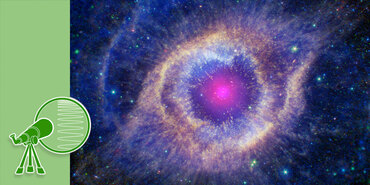
Human eyes can perceive only a small fraction of the wide range of light that exists! In this theme, event participants will learn about the types of light that make up the electromagnetic spectrum and how astronomers use telescopes to detect different types of light to learn more about space objects.
-
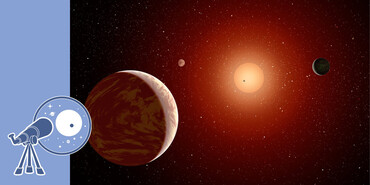
Finding Exoplanets
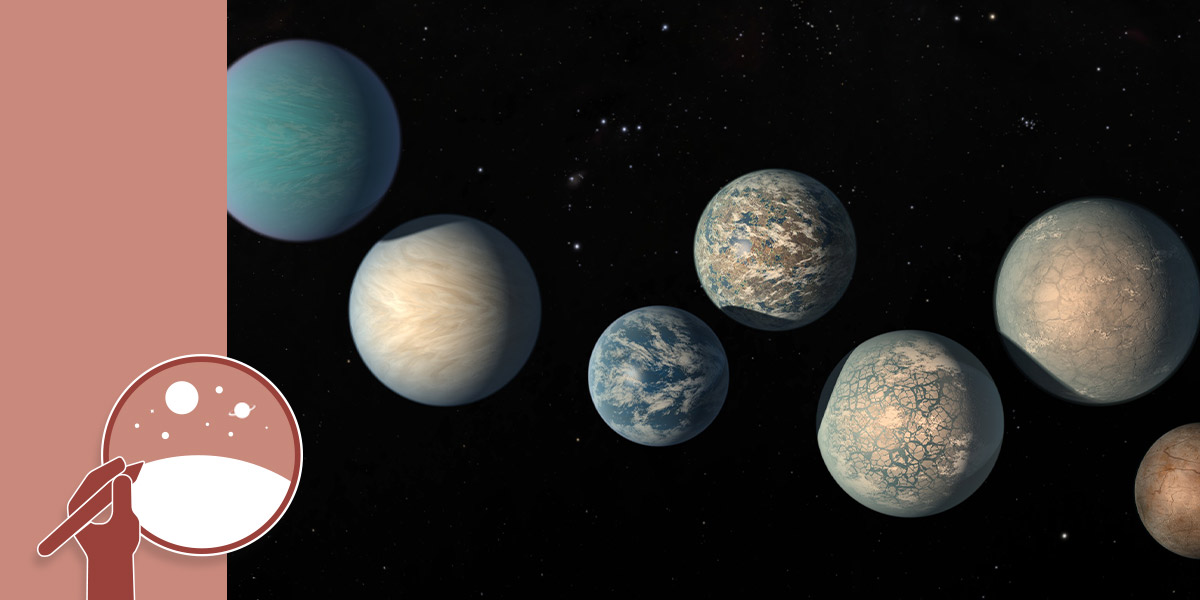
Exoplanets — planets beyond our solar system — are abundant but difficult to find and spot directly. In this theme, event participants will learn about two of the creative ways astronomers use to detect and “see” these objects.
Cosmic Canvas Program Guides
Program guides with step-by-step activities, downloadable materials, and background information to engage participants in astronomy through artmaking.
-
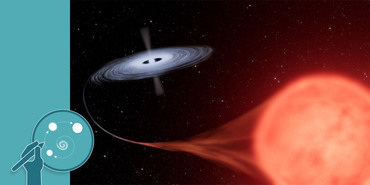
Cosmic Canvas: Stellar Evolution
Stars are born, live incredible lives, and eventually die — sometimes in dramatic ways! This journey, known as stellar evolution, helps us understand how stars shape the universe and even create the elements and molecules that make up planets and people. Through these activities, participants will learn about the lives of stars by interpreting and creating models, building both their science and artistic skills along the way!
-
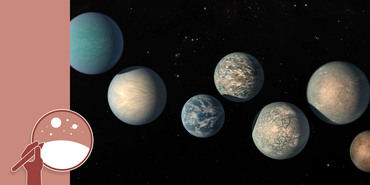
Cosmic Canvas: Exoplanets
Planets beyond our solar system are called exoplanets — and scientists have discovered thousands! Some are hot and stormy, others icy and rocky, and some might even have the right conditions for life. Through these activities, participants will learn how artists play an important role in developing models, like scientific illustrations, of these distant worlds while practicing skills used in both art and science.
What People are Saying About our Guides
"The Programming Guide is just amazing … that resource alone is really great for planning. There’s so many opportunities for programs… and there’s room for your own creativity as well"
– Cassandra Taylor, Technology Engagement Center, Library Association
Event Resources
Tips to Engage Your Audience
Our program facilitator guide includes engagement and promotional strategies to help make your event a success.
Event Planning & Checklist
This is a good starting point to help you structure your event and think about logistics to ensure that it is smooth and successful.

Participant Survey
Get immediate feedback from your audience using this survey developed by NASA’s Universe of Learning.
Additional Activities
Additional NASA’s Universe of Learning activities to engage your audiences.
Filter Results
-
3D Printing the X-ray Universe
3D Object | ActivitiesDespite our limited abilities to travel to distant objects in outer space, astronomers, computer scientists, and others are developing techniques that nudge astronomy visualization forward from two-dimensional...
-
After School Programming: Intro to Astronomy: Pinhead Institute
Activities | Program Model | ToolkitThis program was created to be paired with preexisting programming within informal learning environments. At the Pinhead institute, an introduction to astronomy was incorporated into a variety of after-school...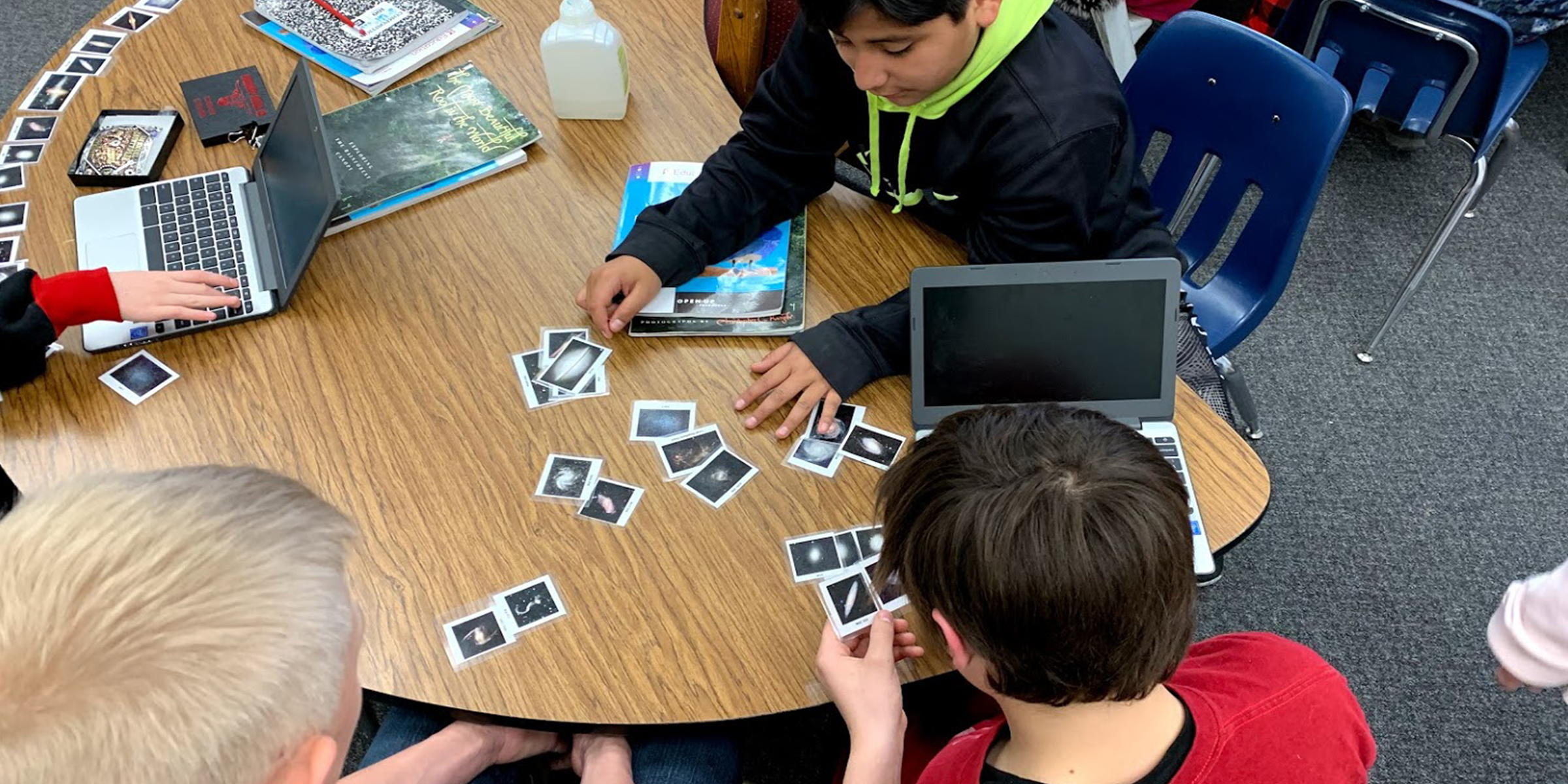
-
Artful Exoplanets: Creating Imaginary Worlds: Springfield Museum of Art
Activities | Exhibits | Program Model | ToolkitSpringfield Museum of Art partnered with The Dome: Center for Innovation and Clark County Juvenile Detention Center to provide two one-week sessions of summer programming. Artful Exoplanets: Creating Imaginary...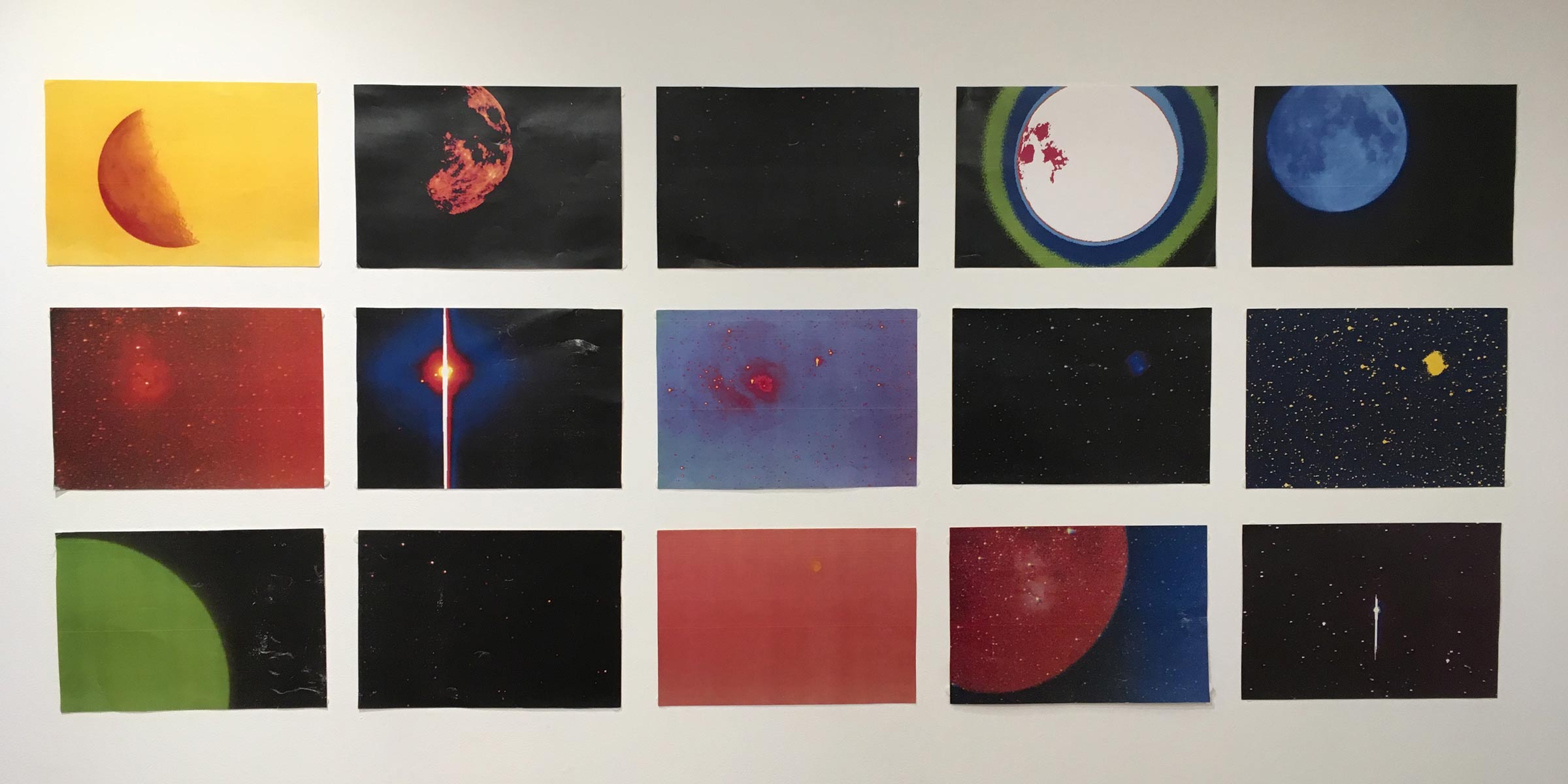
-
Beyond the Universe: South Dakota Discovery Center
Activities | Program Model | ToolkitBeyond the Universe implemented the MicroObservatory into middle school curriculum to engage students in local communities. The project used a combination of NASA’s Universe of Learning activities...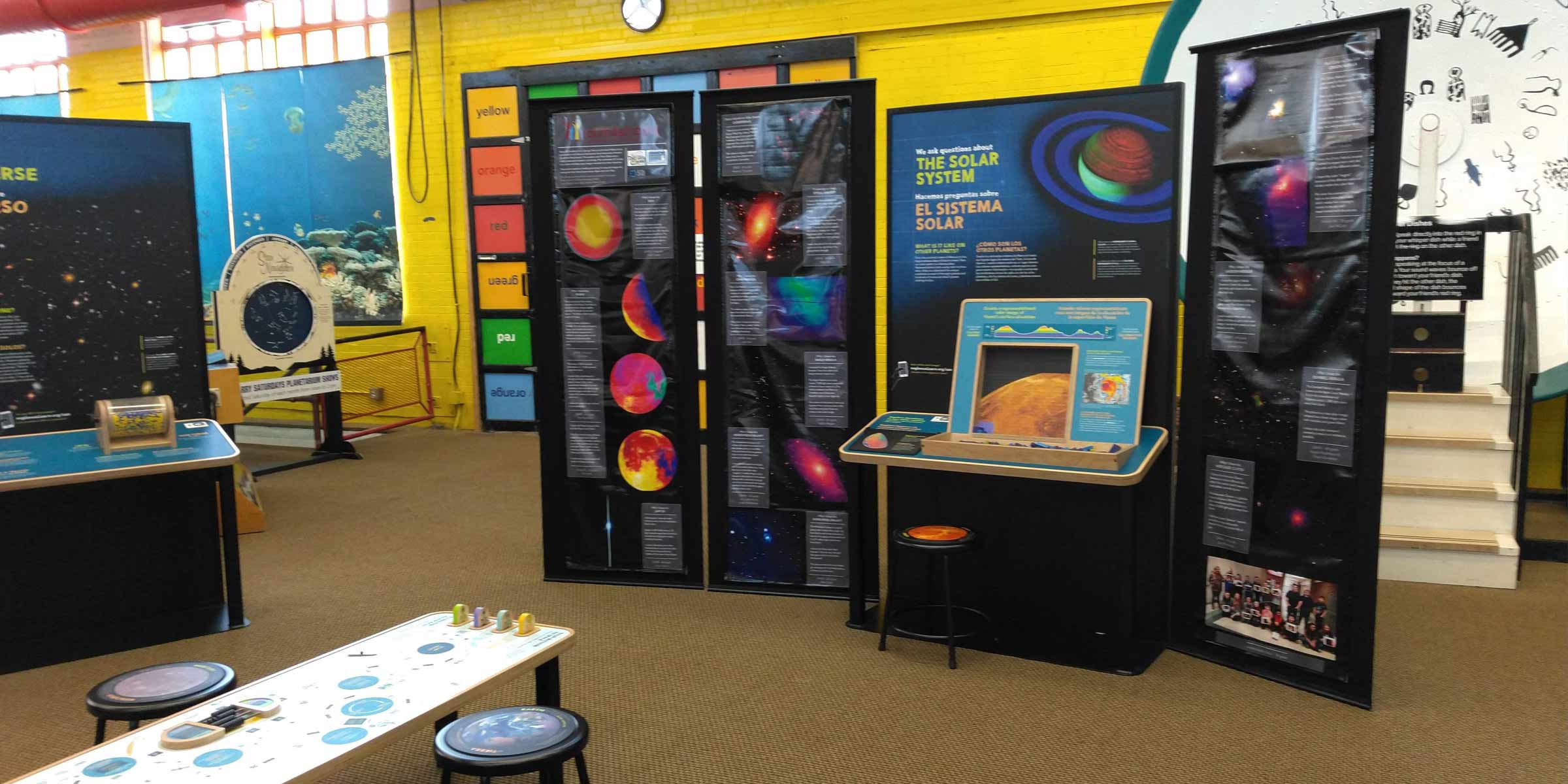
-
Cosmic Canvas: Exoplanets Program Guide & Resources
Activities | Resource GuideAstronomers have discovered thousands of exoplanets—planets beyond our solar system. Some exoplanets are hot and stormy, others icy and rocky, and some look wildly different than the planets within...