CRAB NEBULA RESOURCES
Crab Nebula Introduction
What is a supernova remnant? What is a pulsar?
What remains after the death of a massive star? Dive into these resources to learn more about the Crab Nebula supernova remnant, a dynamic scene that connects to the life cycle—the evolution, demise, and lingering influence—of stars.
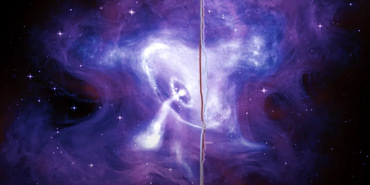
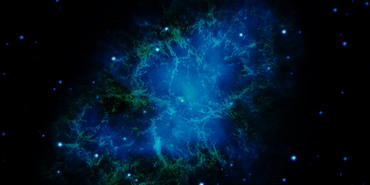
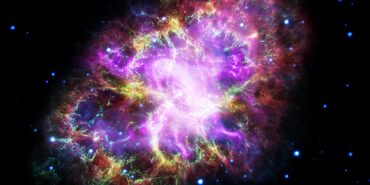
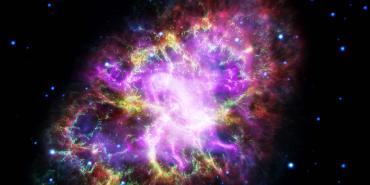
Lying 6,500 light-years away from Earth, the Crab Nebula is a dazzling scene that was created by the explosive death of a massive star, also known as a supernova. The material that has remained post-explosion comprises the Crab Nebula, one of the most well-studied supernova remnants to date. The Crab’s contents—the gas, dust, and newly created heavy elements—are some of the vital ingredients for star and planet formation in the universe.
Many mysteries surround the Crab Nebula, including what kind of massive star produced such a volatile event. Fortunately, the Crab’s relatively close location enables scientific observations from an array of telescopes across the electromagnetic spectrum.
- Data from the Chandra X-ray Observatory reveal the nebula’s heart, a rapidly rotating neutron star—also known as a pulsar—that emits jets of high-energy particles.
- Visible light observations by the Hubble Space Telescope show the cavernous filaments of hot gas, and ultraviolet light highlights a cloud of energized gas and nearby stars.
- The Spitzer Space Telescope notes the dust created by the supernova event, while new infrared observations from the James Webb Space Telescope uncover the full spatial distribution of where dust grains are located for the first time ever.
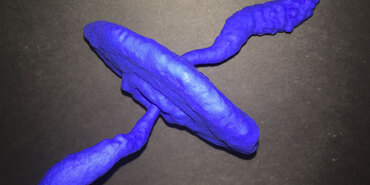
Explore these telescopes’ data of the Crab at your own pace and in different formats that evoke the senses: sight, sound, and touch. These learning resources were created through NASA’s Universe of Learning, which is part of the NASA Science Activation program.
Together, multi-wavelength exploration is forming a richer picture of the Crab Nebula and is shaping our knowledge of what happens to massive stars at the end of their lives. By studying the processes of stars and their effects on their surrounding environment, we can better understand where and how everything in the universe—elements, planetary bodies, and even living things—originate.
Learn about the Crab Nebula
NASA’s Astrophoto Challenge
Try your hand at processing images of the Crab Nebula from NASA's space telescopes, or capture and process your own!
Learn about the Life and Death of Stars
-
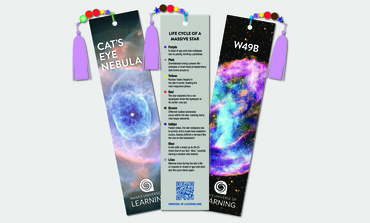
Stellar Life Cycle Bookmark and Bracelet
Participants will learn that the evolution of a star depends on its initial mass. They will create a tassel for a bookmark describing the stages of a star’s life cycle, using different colored beads to represent each stage.
-
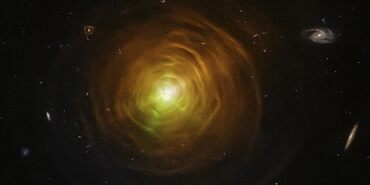
Stellar Evolution Scavenger Hunt
This activity introduces participants to the many stages in the life cycles of massive and low-to-intermediate-mass stars.
-
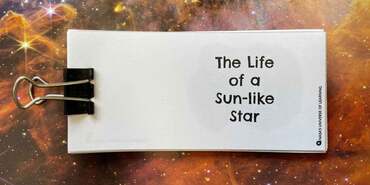
Stellar Evolution Flipbook Activity Guide
Participants will explore the life cycle of a star by creating a small book with a series of pictures that change gradually from page to page.
-
Life and Death of Stars Resource Guide
This resource guide contains a range of resources and activities to help you guide audiences as they explore many facets of stellar evolution!
-
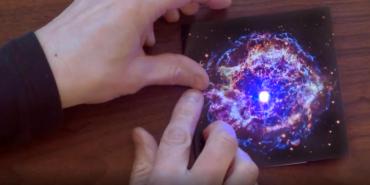
Paper Circuits: Light Up Exploded Stars
Paper circuits help learners of all ages explore the basics of electricity and conductivity. They function as simple low-voltage electronic circuits made using paper, LED lights, a type of conductive tape such as copper, and a small battery for the power source.
-
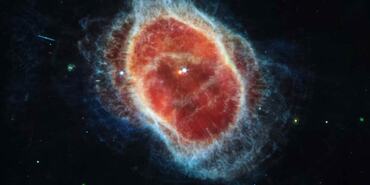
Science Briefing: Exploring the Lives and Deaths of Stars
Learn how low-, intermediate-mass, and massive stars evolve in single- and binary-star configurations.
-
Science Briefing: Deaths and Afterlives of Stars
Learn about the deaths of massive stars and the high-energy remnants of massive stars (pulsars), and how NASA’s high-energy missions provide insight into these processes.
-
Science Briefing: Cosmic Chills: Vampire Stars, Black Widow Pulsars, and Dark Energy
Hear about some of the most terrifying objects in space: vampire stars, black widow pulsars, and dark energy.