BLACK HOLES
Introduction
How can we study these intriguing regions of space?
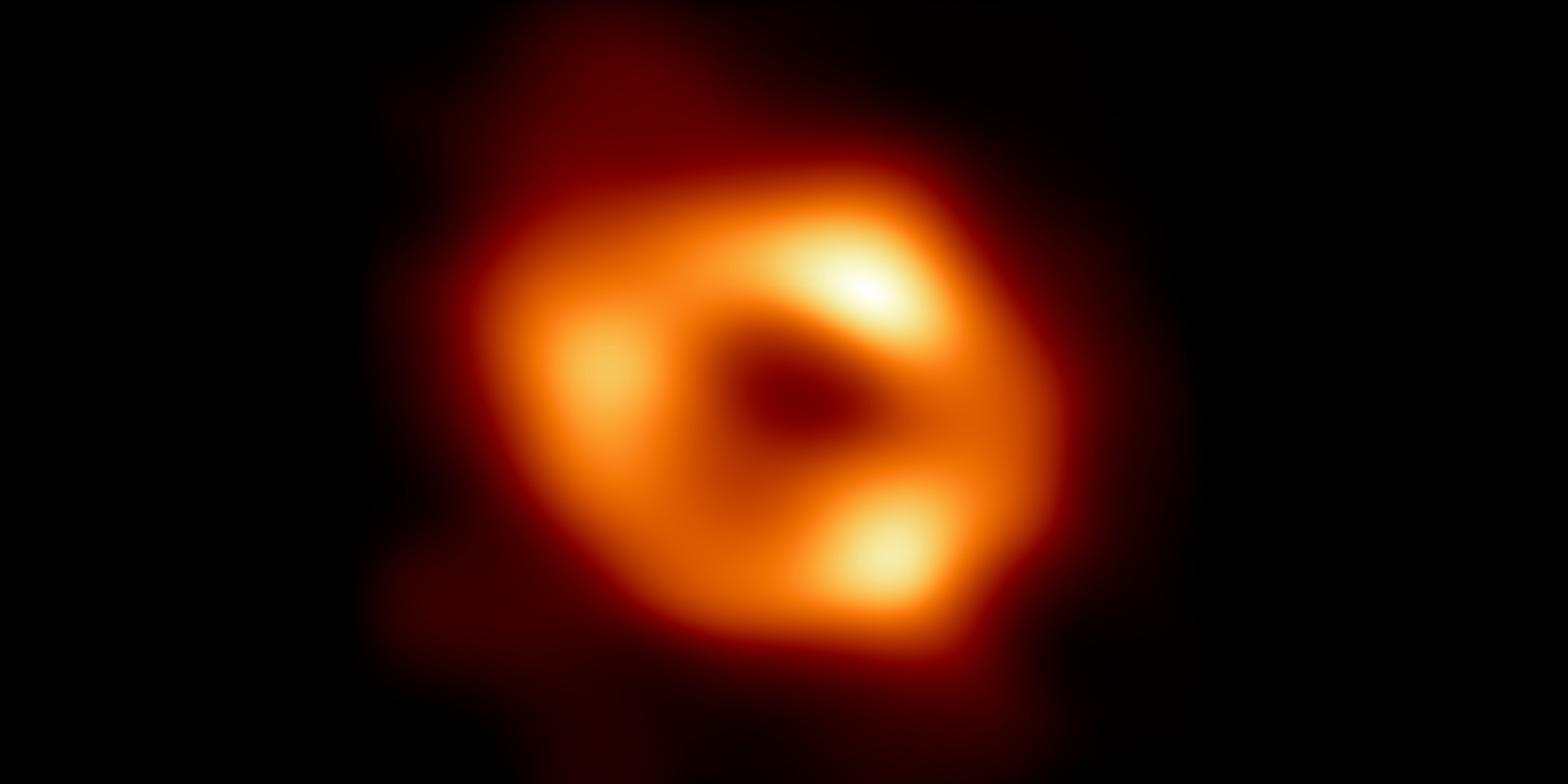
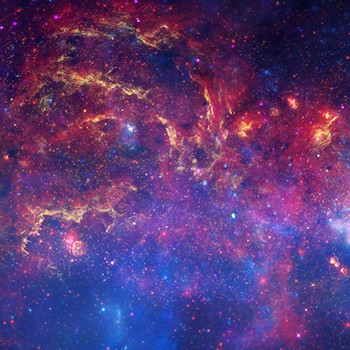
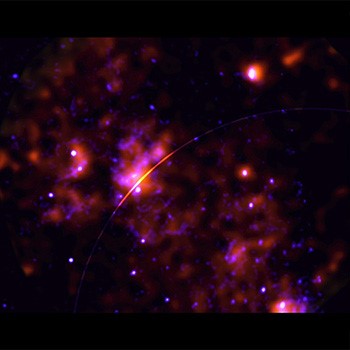
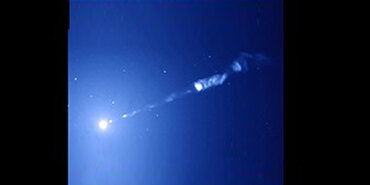
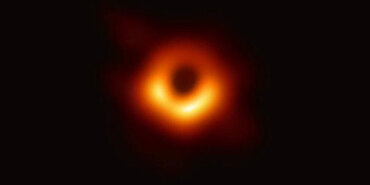
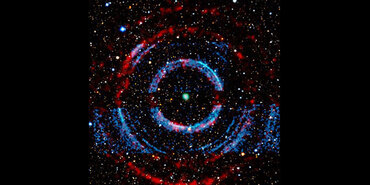
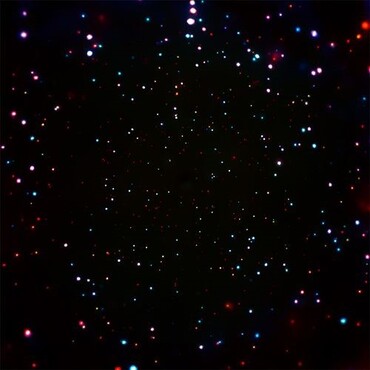
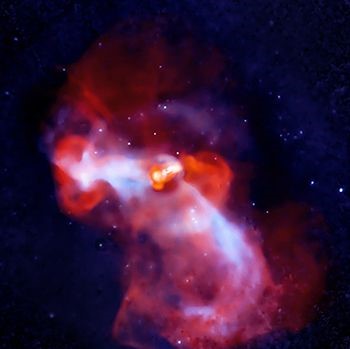
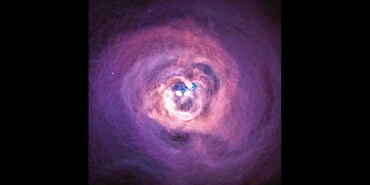
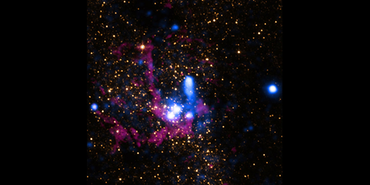
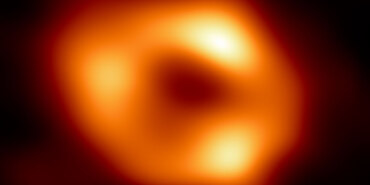
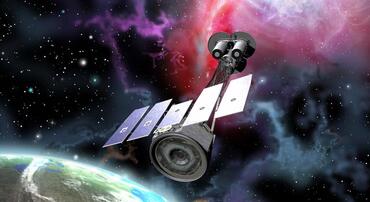
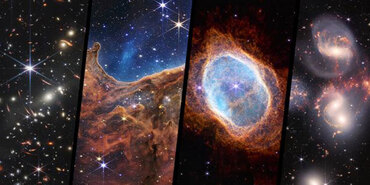
Black holes are among the most mysterious and fascinating features of the universe, piquing the interest of scientists since the 18th century, including Albert Einstein and Stephen Hawking. Astronomers have studied black holes across the entire electromagnetic spectrum by using both ground- and space-based telescopes. NASA’s fleet of astrophysics missions — including the Chandra Space Telescope, Hubble Space Telescope, Spitzer Space Telescope and Webb Space Telescope, — has helped scientists learn more about these captivating objects in space.
Images
Videos
Find more Black Hole videos on ViewSpace including:
What in the Universe: Black Holes
Hundreds of Black Holes Discovered
A Growing Black Hole in the Early Universe
End calloutInteractives
ViewSpace Interactives allow you to explore objects and materials from different perspectives, and discover how we can combine information to better understand the universe.
Activities
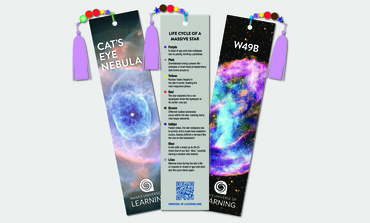
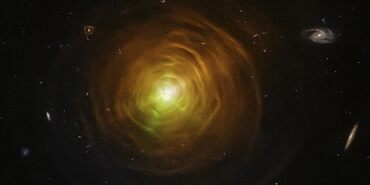
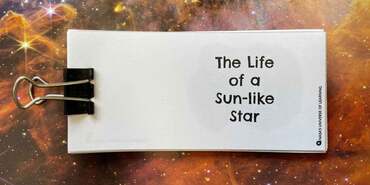
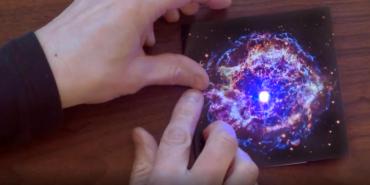
Sonifications
Experience black holes with audio as well! Sonification is the process that translates data into sound.
Science Briefings
Science Briefings are professional learning telecons for the informal science education community, done in partnership with the NASA’s Museum & Informal Education Alliance. These monthly thematic briefings highlight current NASA astrophysics explorations and discoveries from across the suite of NASA astrophysics missions.
Teachable Moments
Teachable Moments harness data from the latest space missions and discoveries from NASA missions to answer the age-old question, “When are we ever going to use this?” Explore how we’re helping educators inspire the space explorers of the future.
Additional Reading
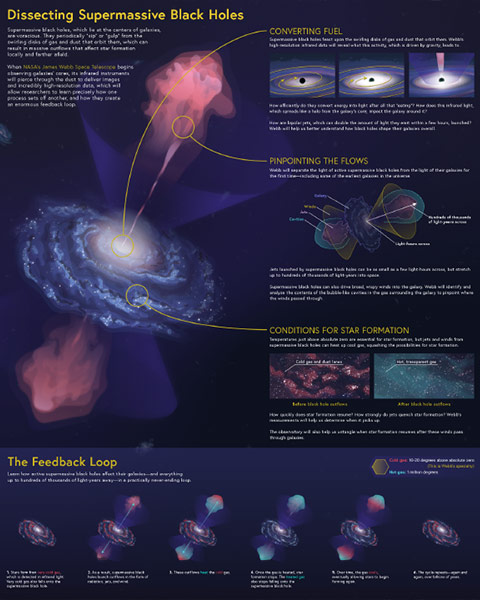
Dissecting Supermassive Black Holes
Walk through the full process to learn how supermassive black holes convert fuel to produce bipolar jets, discover when star formation starts and stops, and examine a diagram of the processes at work.