CARINA NEBULA COMPLEX
Crab Nebula Introduction
What interactions between stars, gas, and dust shape a star-forming region?
These resources explore the interactions between stars, gas, and dust that shape star-forming regions. From the brilliant visible light of star clusters to the cool infrared light of dust clouds to intense, energetic X-rays, multi-wavelength observations uncover the variety of physical processes involved.
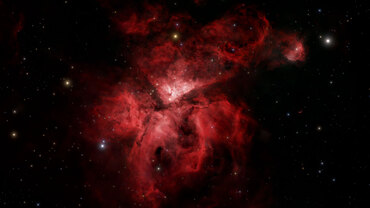
The Carina Nebula Complex is a vast region of star formation where tens of thousands of stars have formed. The hottest young stars produce intense radiation and energetic stellar winds that carve out large cavities in the dust clouds. Thousands more newborn stars reveal themselves only through their X-ray emission. Along the edges of these cavities, ionization fronts showcase the ongoing conversion of cold dust to hot gas.
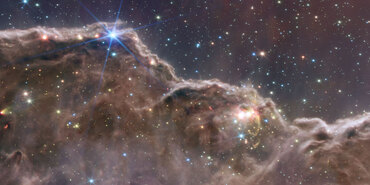
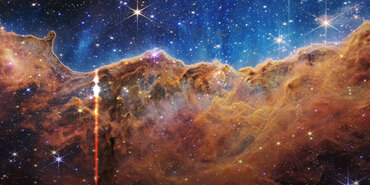
Take a journey from the heart of the Carina Nebula to the ethereal landscape of the Cosmic Cliffs within the nebula Gum 31. The trip examines how star formation reshapes its environment and demonstrates that observations at different wavelengths of light probe different, yet related, features of nebulas.
More Carina Nebula Resources
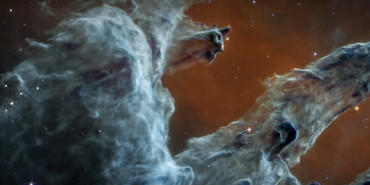
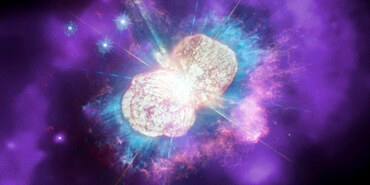
Learn about the Life and Death of Stars
-
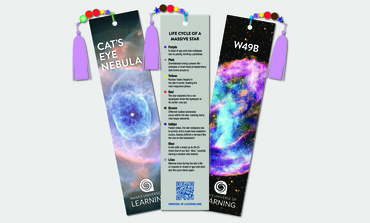
Stellar Life Cycle Bookmark and Bracelet
Participants will learn that the evolution of a star depends on its initial mass. They will create a tassel for a bookmark describing the stages of a star’s life cycle, using different colored beads to represent each stage.
-
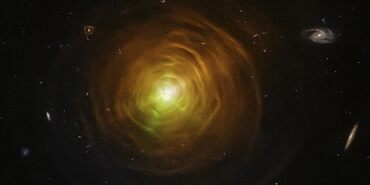
Stellar Evolution Scavenger Hunt
This activity introduces participants to the many stages in the life cycles of massive and low-to-intermediate-mass stars.
-
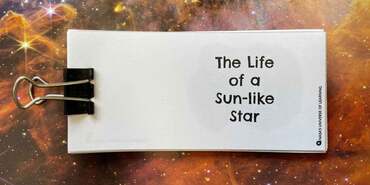
Stellar Evolution Flipbook Activity Guide
Participants will explore the life cycle of a star by creating a small book with a series of pictures that change gradually from page to page.
-
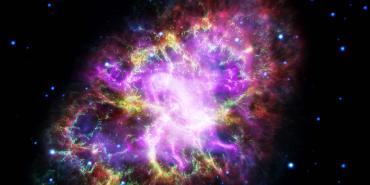
Life and Death of Stars Resource Guide
This resource guide contains a range of resources and activities to help you guide audiences as they explore many facets of stellar evolution!
-
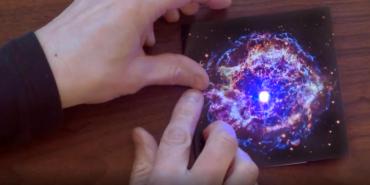
Paper Circuits: Light Up Exploded Stars
Paper circuits help learners of all ages explore the basics of electricity and conductivity. They function as simple low-voltage electronic circuits made using paper, LED lights, a type of conductive tape such as copper, and a small battery for the power source.
-
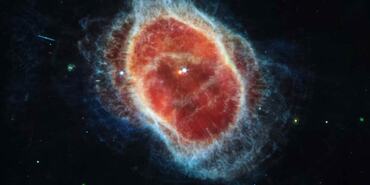
Science Briefing: Exploring the Lives and Deaths of Stars
Learn how low-, intermediate-mass, and massive stars evolve in single- and binary-star configurations.
-
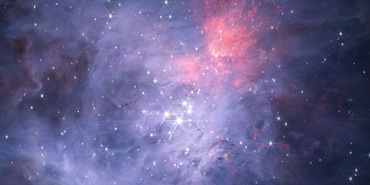
Science Briefing: Inside Stellar Nurseries
Bearn the basics of stellar births and the chemistry of molecular clouds—also known as stellar nurseries—and take a look at the first images taken by JWST of the Orion Nebula, a star formation factory.
-
Science Briefing: Cosmic Chills: Vampire Stars, Black Widow Pulsars, and Dark Energy
Hear about some of the most terrifying objects in space: vampire stars, black widow pulsars, and dark energy.