EDUCATIONAL RESOURCES AND EVENTS
Educational Resources and Events Catalog
Note: special characters removed from query.
Filter Results
-
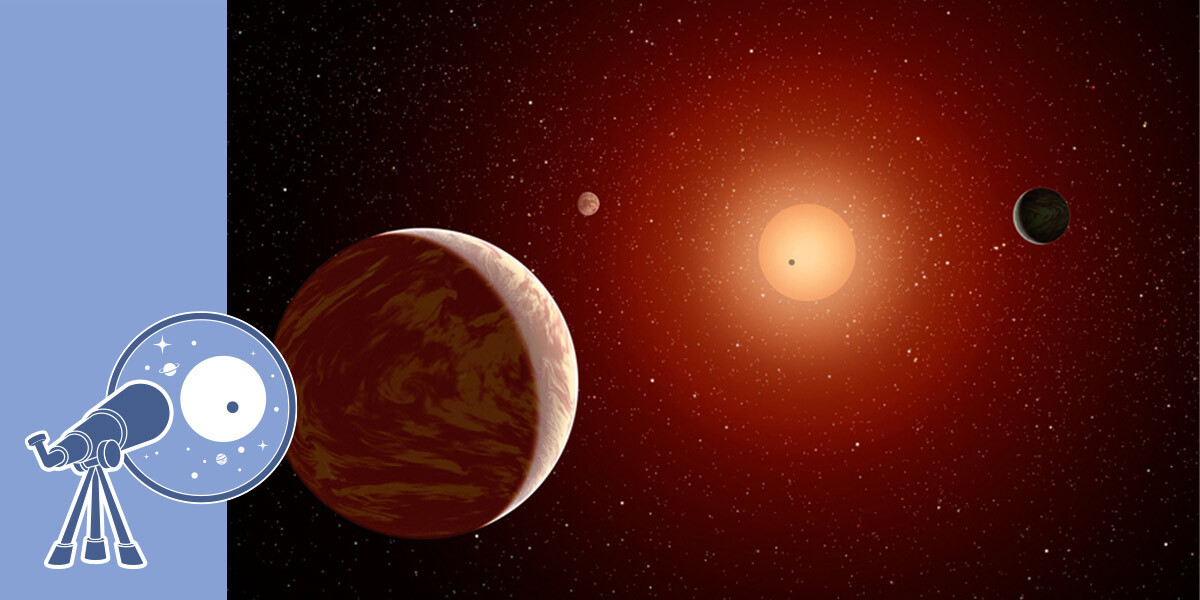
Many exoplanets — worlds beyond our solar system — are very small and faint compared to their bright host stars, making it nearly impossible to spot them directly. Despite this, astronomers...
Read More
-
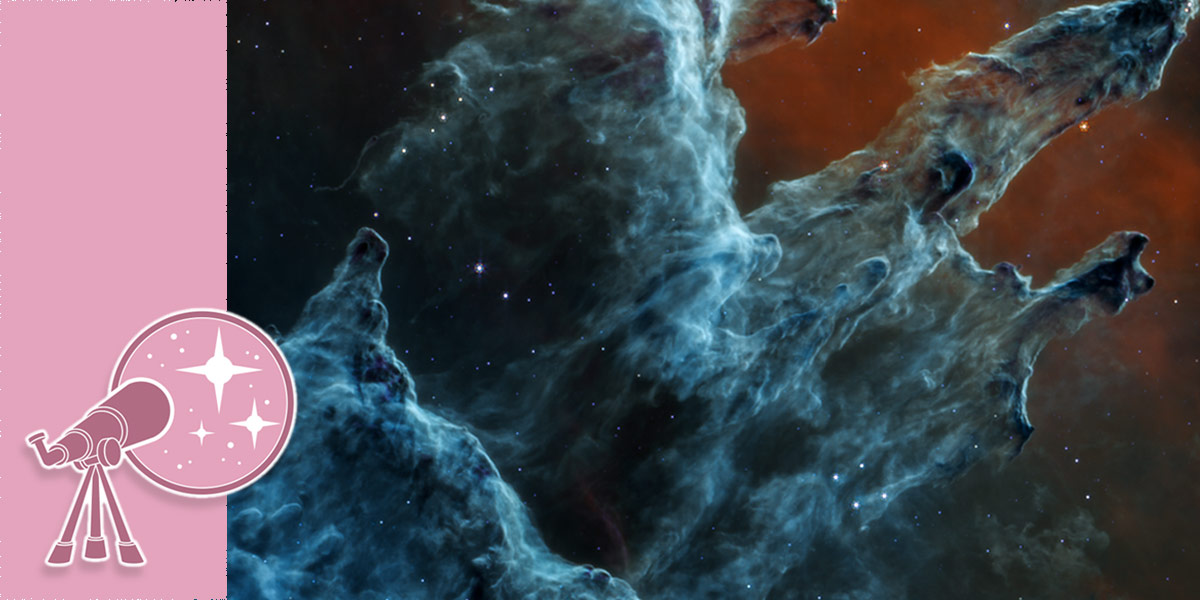
Stars are born, live incredible lives, and eventually die — sometimes in dramatic ways! This journey, known as stellar evolution, helps us understand how stars shape the universe. With these program...
Read More
-
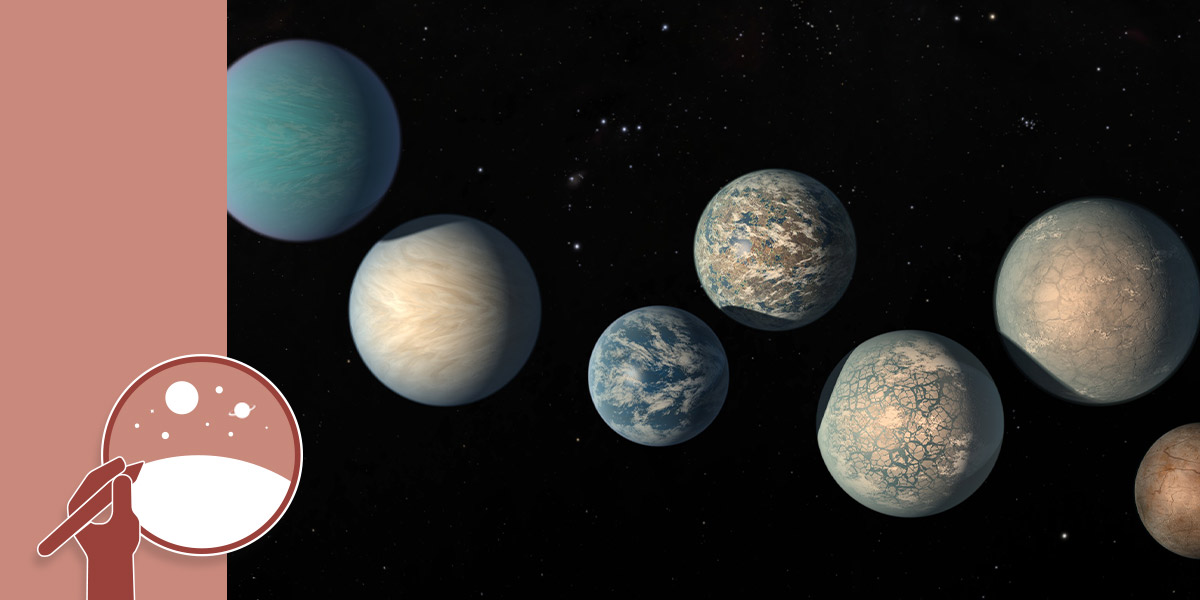
Astronomers have discovered thousands of exoplanets—planets beyond our solar system. Some exoplanets are hot and stormy, others icy and rocky, and some look wildly different than the planets within...
Read More
-
Stars are giant balls of gas held together by their own gravity. They have different colors and sizes, and like humans, they have a life cycle: Stars are born, grow old, and eventually die. With...
Read More
-
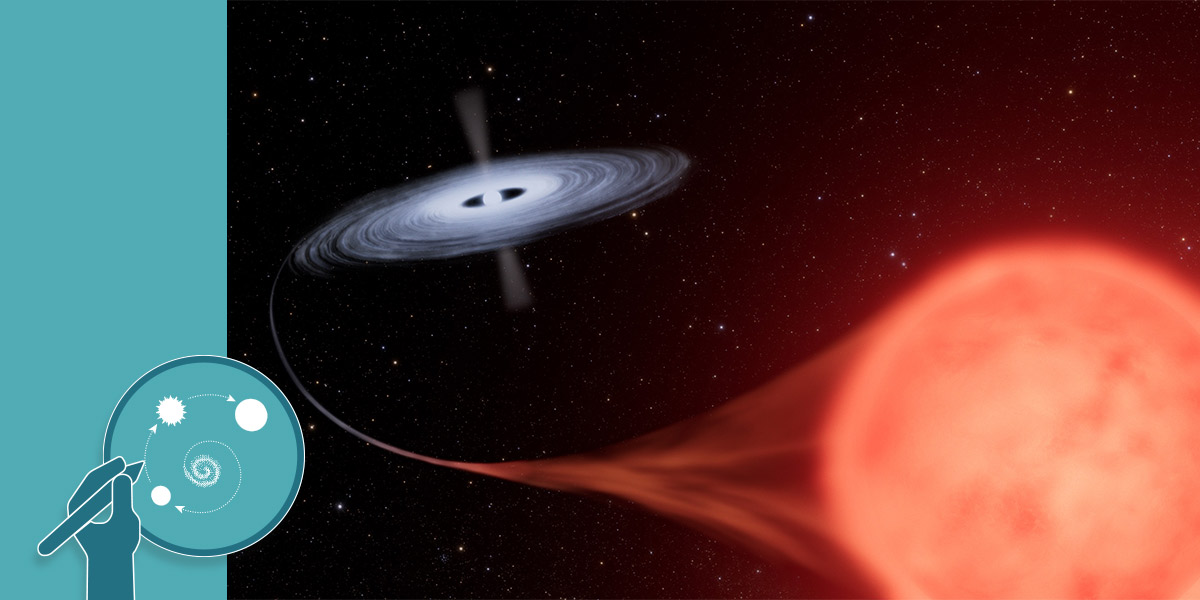
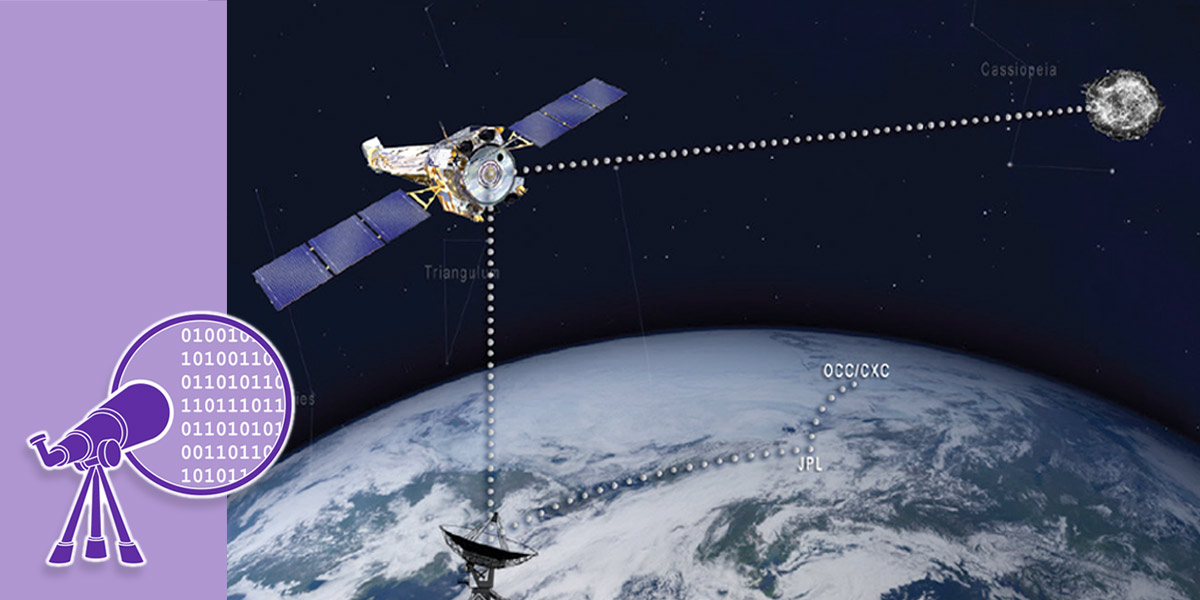
Scientists rely on computers not only to do calculations, but also to transform telescope data into images. Coding and programming are some of the many methods that astronomers use in order to study the...
Read More
-
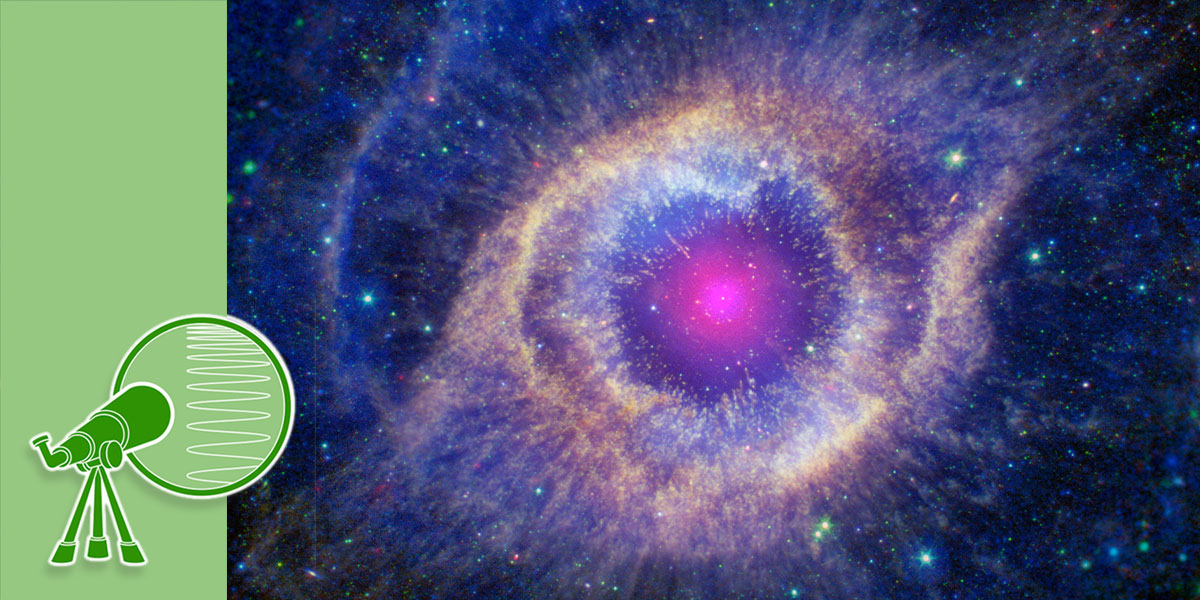
Astronomers learn about space objects by gathering and analyzing the light coming from them. Since there is more than one type light, observations of multiple types of light from an object —multiwavelength...
Read More
-
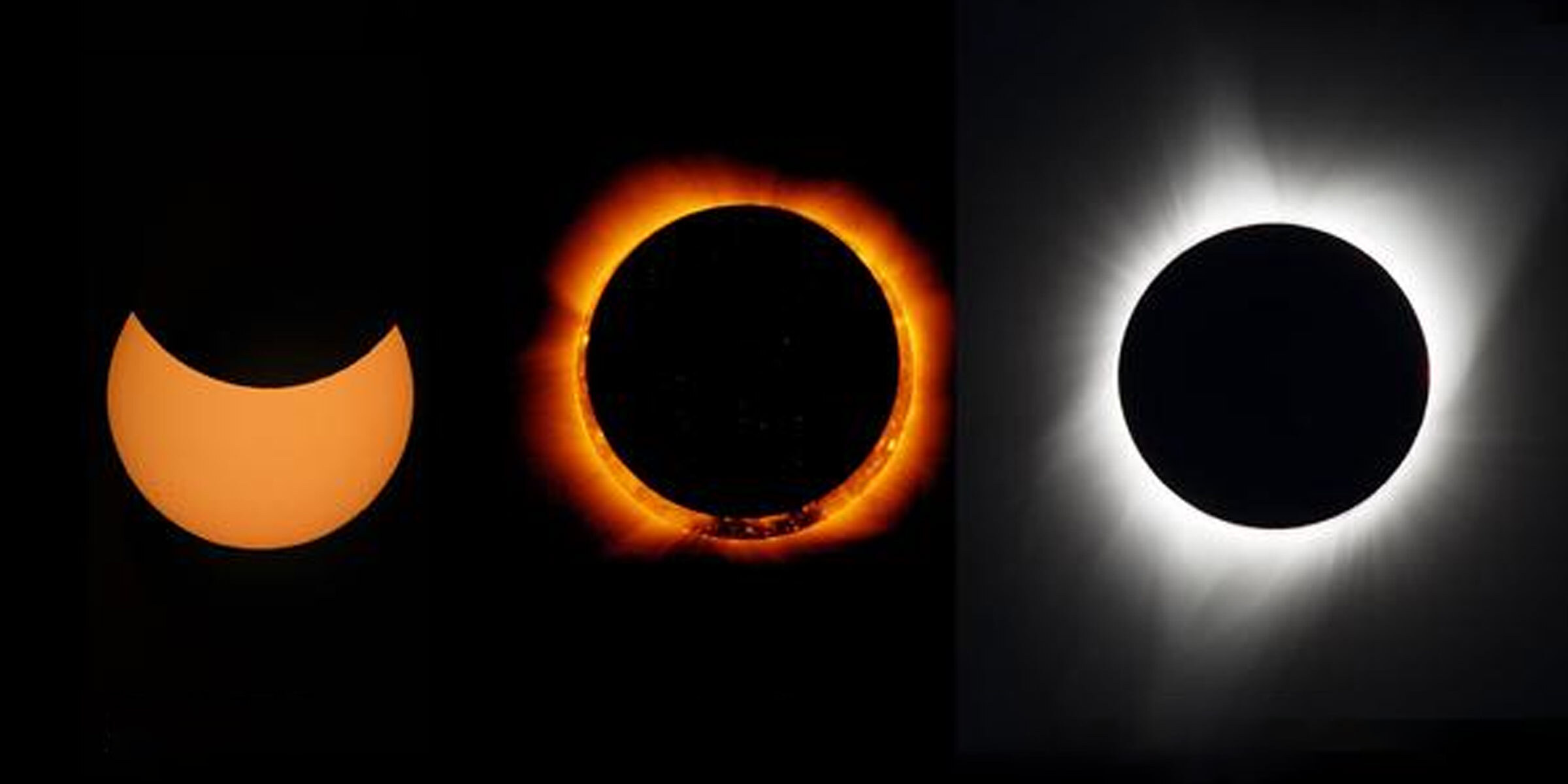
Get ready for the April 2024 total solar eclipse, by learning about the science behind solar eclipses, how to watch safely, and how to engage students in NASA science.
Teachable Moment: The Science of...
Read More
-
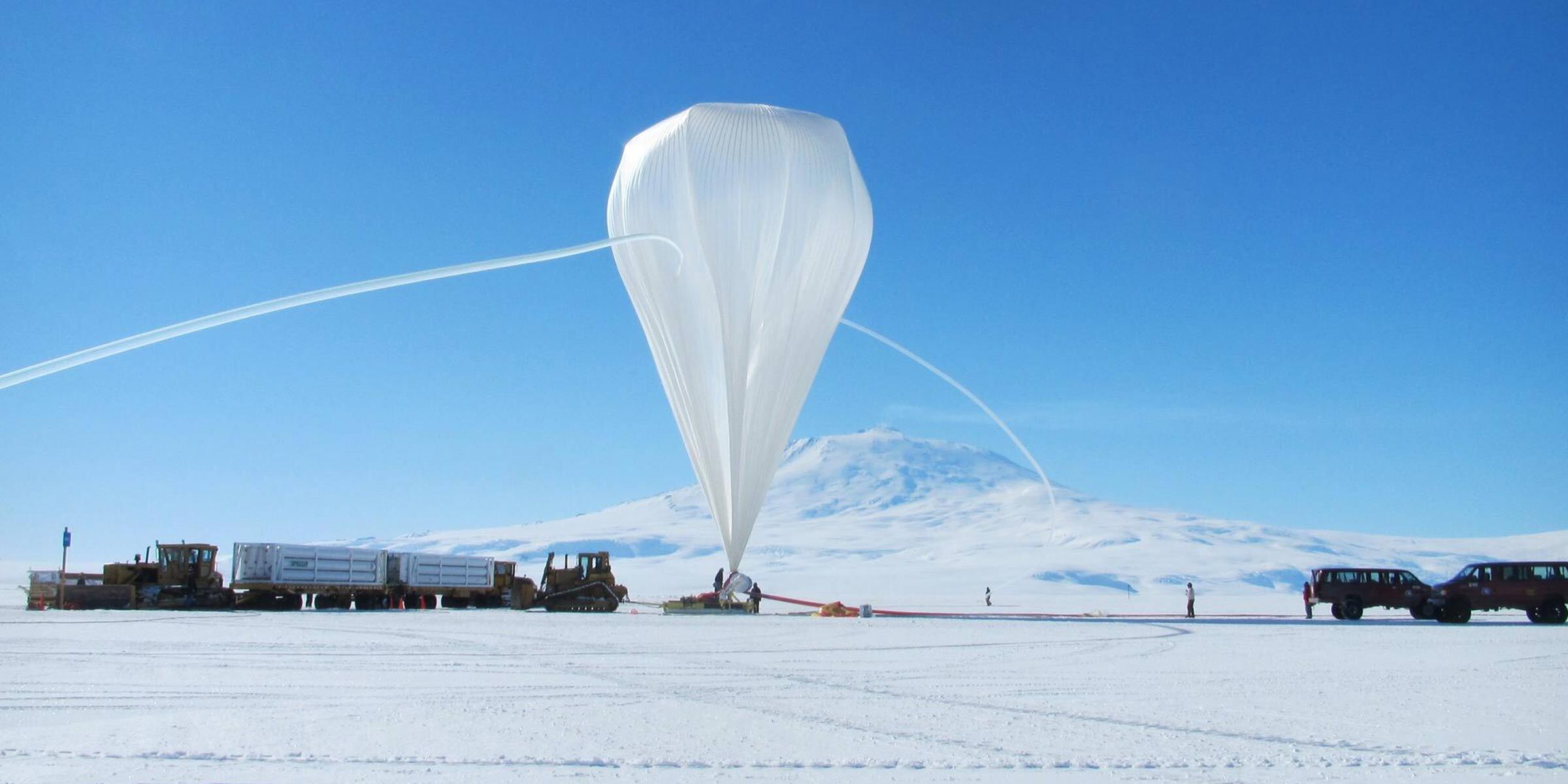
A NASA balloon mission designed to study the interstellar medium – the space between stars – will take to the skies above Antarctica in December 2023.
Read on to learn how the GUSTO mission's...
Read More
-
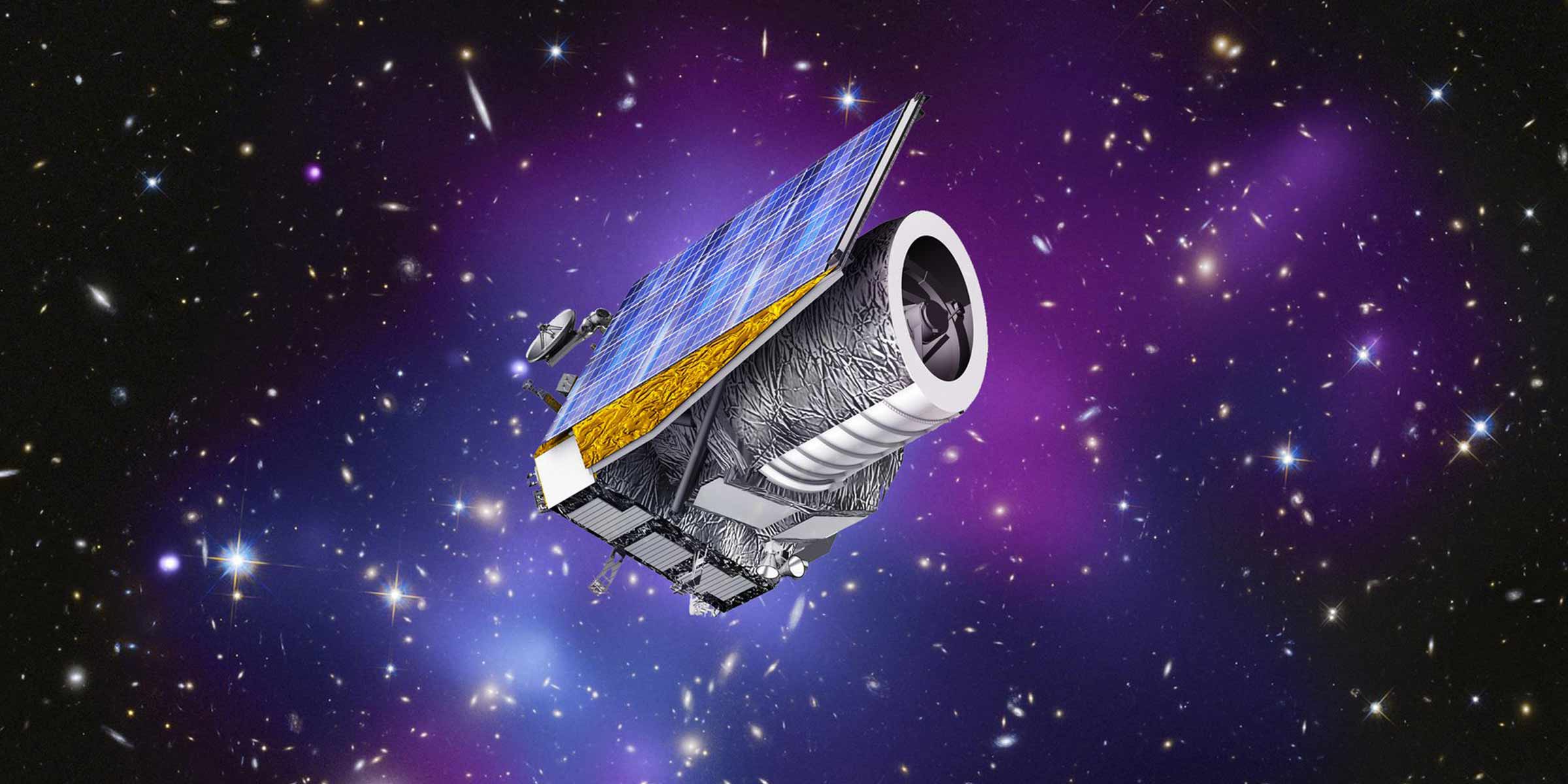
Scientists may soon uncover new insights about some of the most mysterious phenomena in our universe with the help of the newly launched Euclid mission. Built and managed by the European Space Agency,...
Read More
-
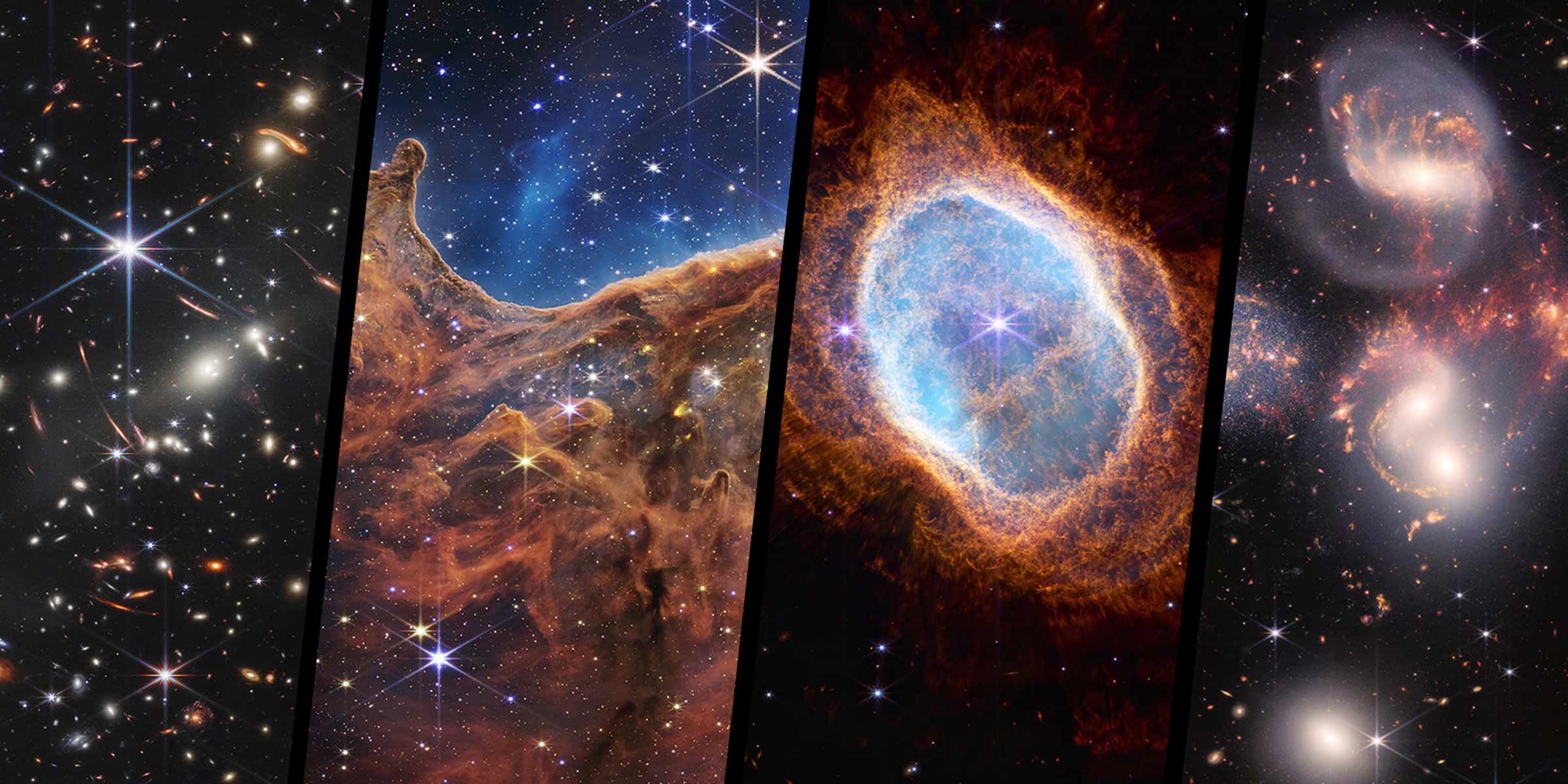
NASA’s newest space observatory, the James Webb Space Telescope, has returned its first set of images and spectra of five different targets – from exoplanets to galaxy clusters – revealing...
Read More
-
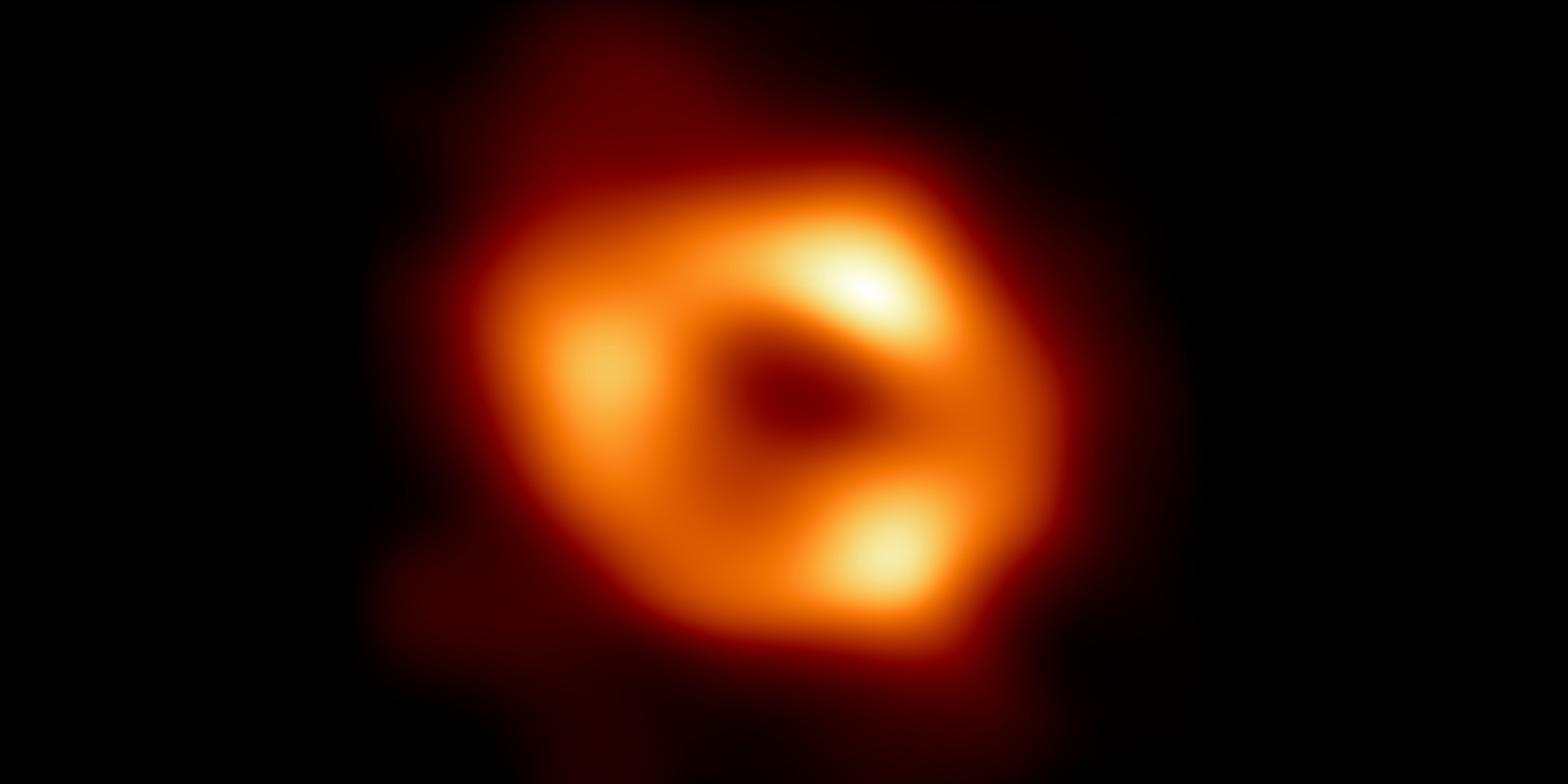
Find out how scientists captured the first image of Sagittarius A*, why it's important, and how to turn it into a learning opportunity for students.
Our home galaxy, the Milky Way, has a supermassive...
Read More
-
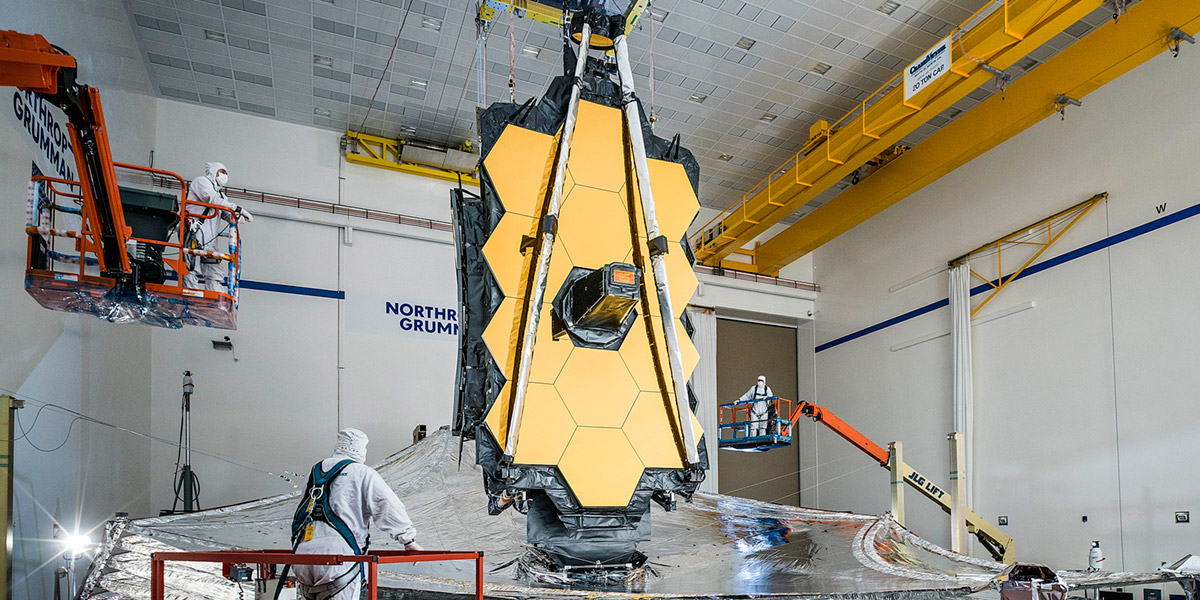
Learn about the science and engineering behind the largest and most powerful space telescope ever built while exploring ways to engage learners in the mission.
TEACHABLE MOMENTS: JAMES WEBB SPACE...
Read More
-
We invite you to explore these tools to learn more about the universe that all of us inhabit. The flexibility and user friendliness of JS9 allows you to easily access many astronomical databases to explore...
Read More
-
Do stars really move? How do stars form and die? What are nebulas and supernovas? This resource guide contains a range of resources and activities to help you guide audiences as they explore many facets...
Read More
-
Want to delight audiences with information about planets discovered outside our solar system? Share one or more of the many resources about exoplanets, including in-person activities, videos and online...
Read More