
EDUCATIONAL RESOURCES AND EVENTS

Educational Resources and Events Catalog

Filter Resources

(53 total)

Filter Results

  1. Program Guide & Resources: Finding Exoplanets

    Resource Guide
    Many exoplanets — worlds beyond our solar system — are very small and faint compared to their bright host stars, making it nearly impossible to spot them directly. Despite this, astronomers...
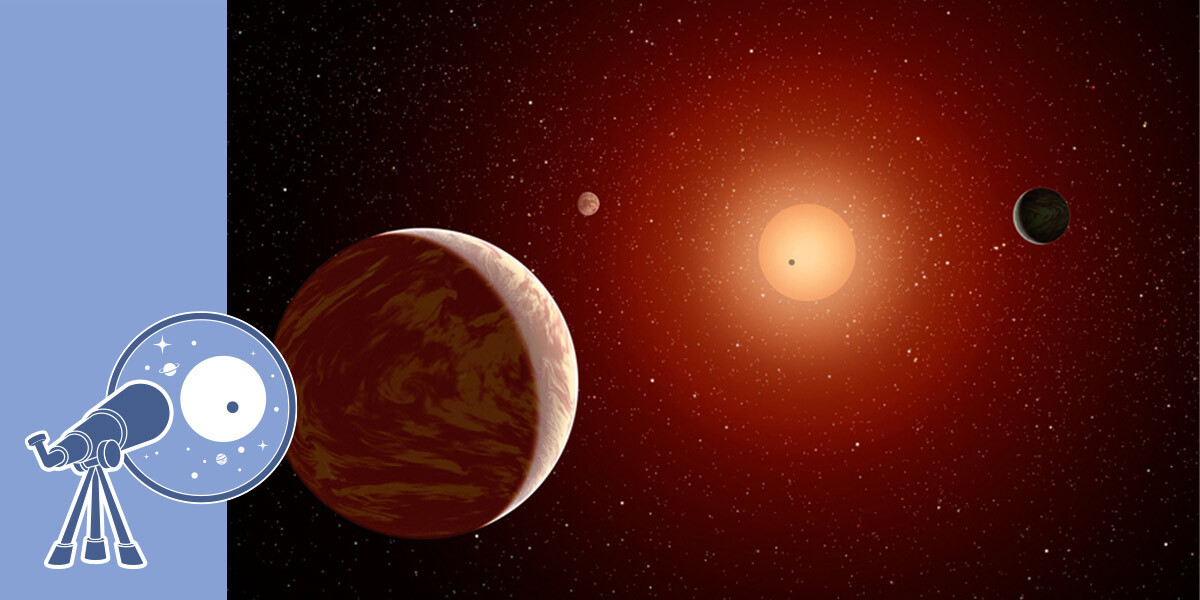
    Rectangular graphic illustrating the Exoplanets program theme. The right four-fifths of the graphic shows an illustration of three exoplanets orbiting a bright star. Running vertically along the left side of the image is a wide blue bar. In the lower half of the bar is a line drawing of a simple hand-held telescope on a tripod. The telescope points toward a circular field of view showing stars and planets.
  2. Lights, Coronagraph, Action! An Exoplanet Direct Imaging Demo

    Activities
    In this demonstration, participants will learn about the direct imaging method astronomers use to find exoplanets — planets outside our solar system. Using a trifold display board and a lamp, participants...
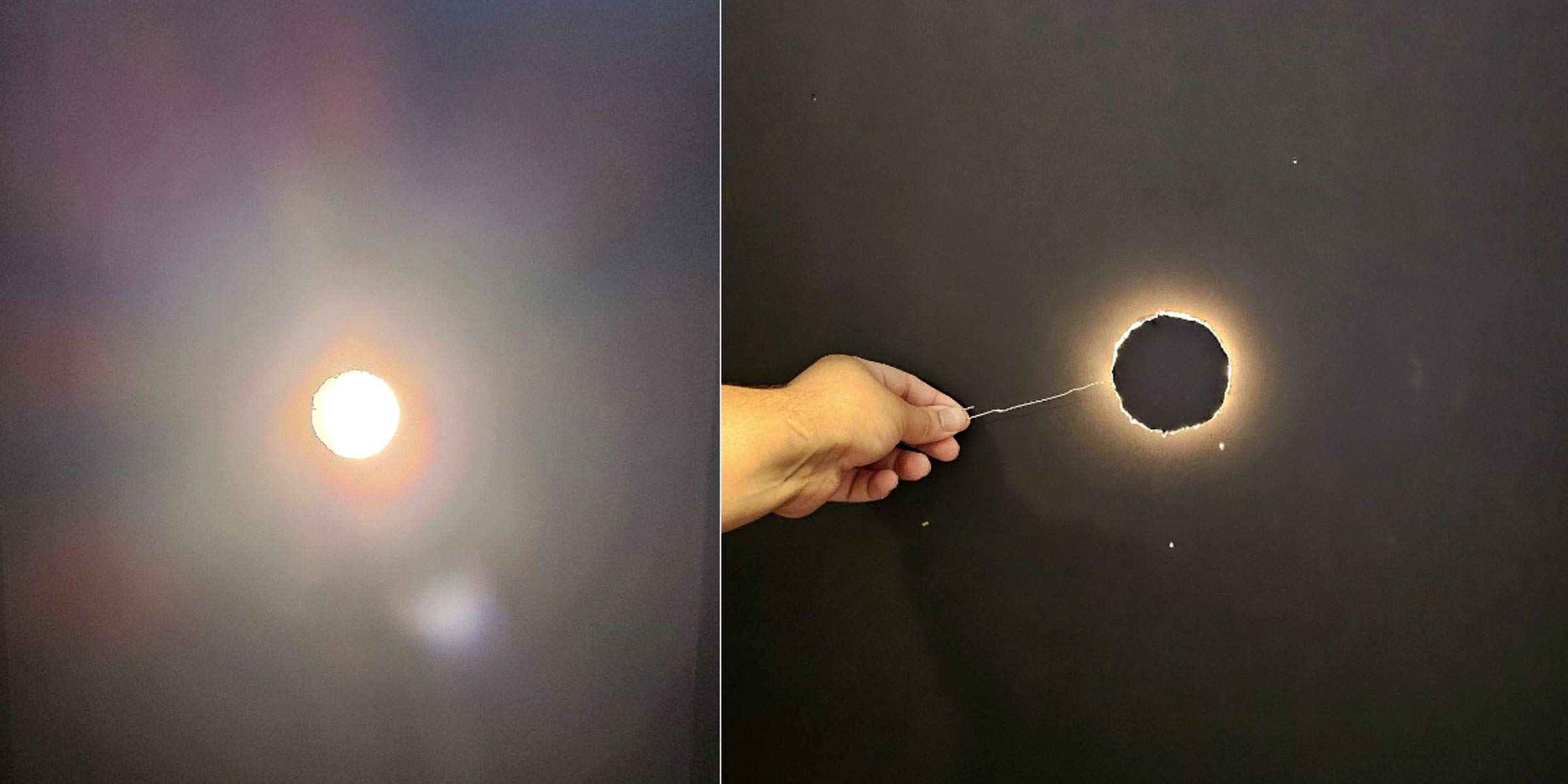
    Split image: At left, a bright dot with a glare. At right, a hand holds a dark circle to block the star's light.
  3. Exoplanet Detectives: A Transit Method Activity

    Activities
    In this activity, participants will learn about the transit method to find exoplanets — planets outside our solar system. Using a trifold display board, a lamp, and exoplanet shadow puppets, participants...
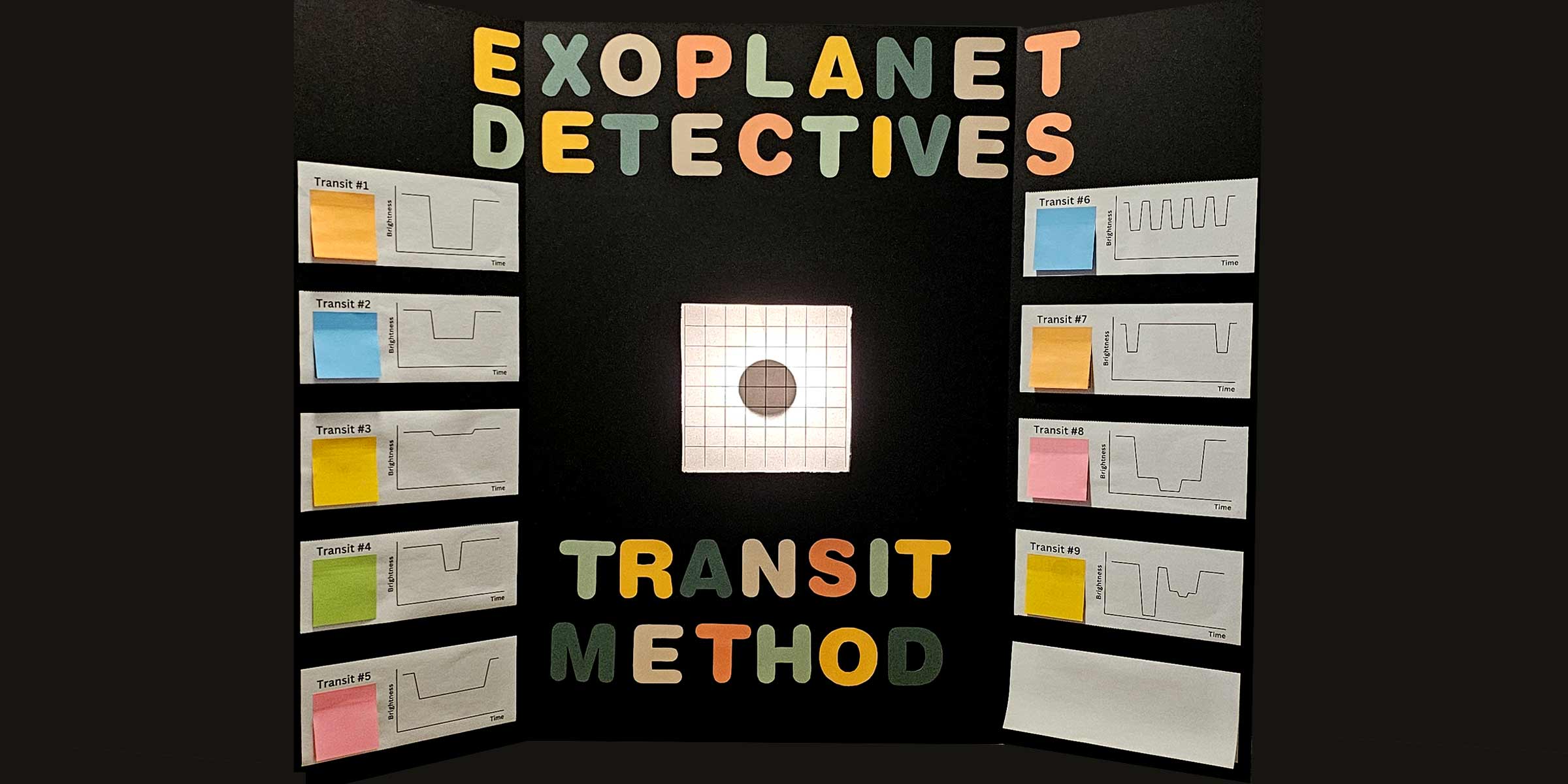
    Large tri-fold poster says Exoplanet Detectives at the top.
  4. Cosmic Canvas: Exoplanets Program Guide & Resources

    Activities | Resource Guide
    Astronomers have discovered thousands of exoplanets—planets beyond our solar system. Some exoplanets are hot and stormy, others icy and rocky, and some look wildly different than the planets within...
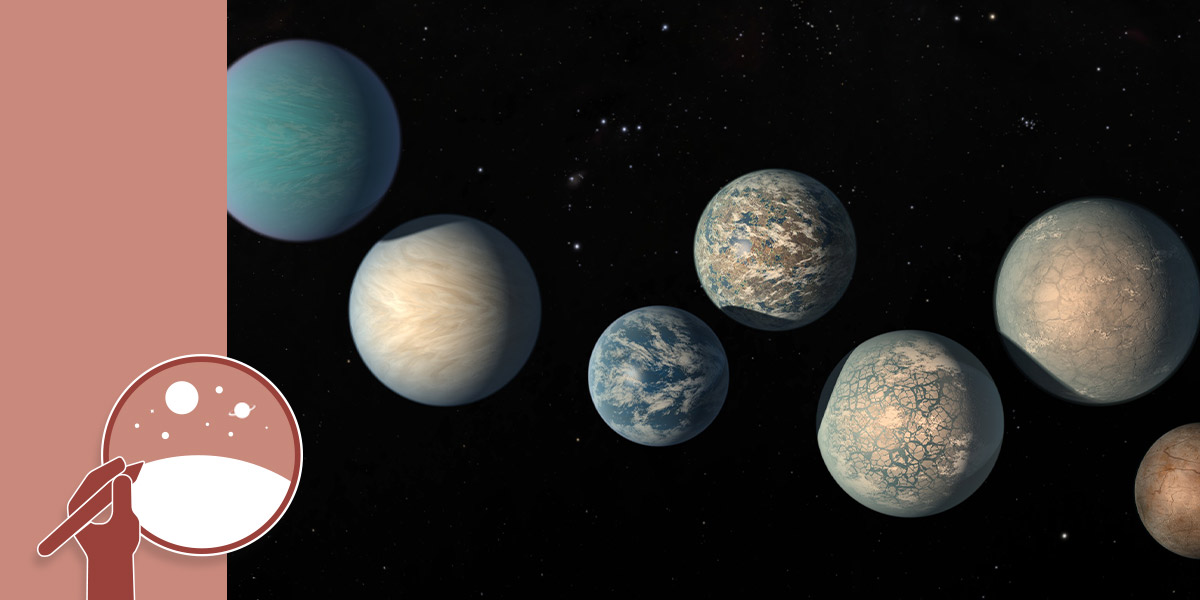
    Illustration depicting the seven planets of the TRAPPIST-1 system against a black background. The image does not show the planets' orbits to scale as they are placed in a diagonal manner from top left to bottom right. The exoplanets’ surfaces are illuminated, as if an offscreen light source is shining on the face-on portion of each exoplanet. The exoplanets vary in size, and each is unique in color and detail. From left to right: a large blue sphere, a light brown and gray sphere, a smaller dark blue sphere with a white marbled surface, a sphere with a brown, white, and blue surface, a slightly larger sphere with gray vein-like features, a similarly sized sphere with a light brown surface, and a small brown sphere.
  5. Cosmic Stories

    Activities
    This activity allows participants to practice making observations and conveying ideas while crafting a poem, short story, or song about astronomical images, illustrations, artworks, tactile plates, and/or...
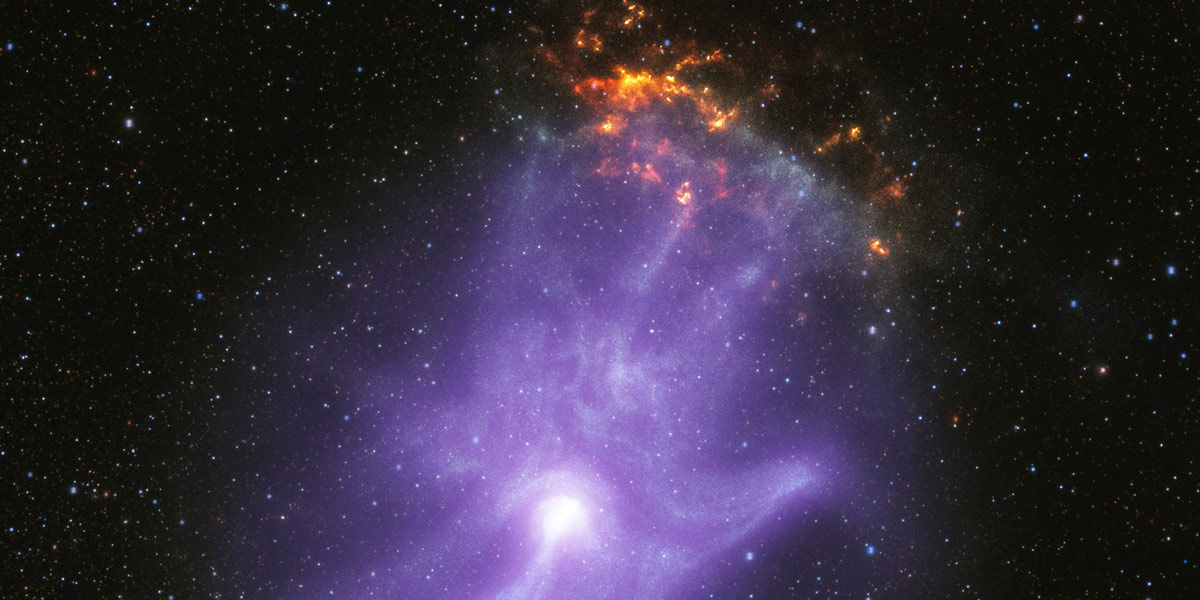
    Composite image of MSH 15-52, a pulsar wind nebula, which strongly resembles a ghostly purple hand with sparkling fingertips. The hazy purple cloud is set against a black, starry backdrop. The bright white spot near the base of the palm is the pulsar. The three longest fingertips of the hand-shape point toward 1 o’clock. There, a small, mottled, orange and yellow cloud appears to sparkle or glow like embers. This orange cloud is part of the remains of the supernova explosion that created the pulsar.
  6. Make Your Own Exoplanet Model

    Activities
    In this activity, participants design and create an exoplanet that could exist, complete with distinct features and characteristics, and then use art supplies to bring their vision to life. This activity...
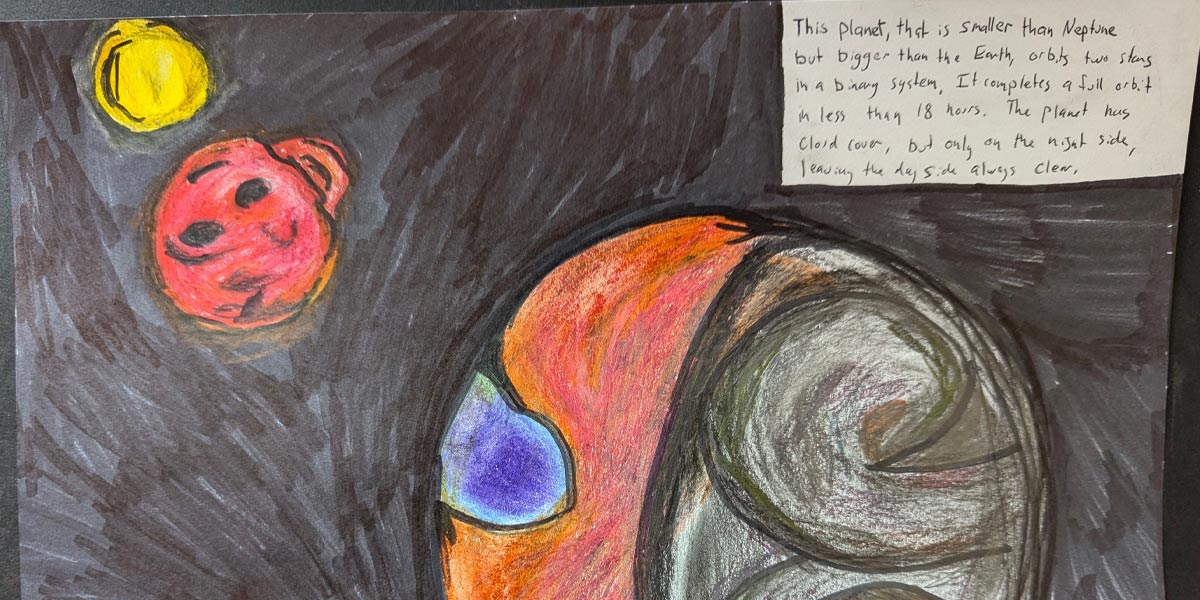
    A colorful drawing of an imagined exoplanet orbiting two stars. Against a black background is a small yellow circle, a star, in the top left corner of the image. Just below, to its bottom right, is a larger circle that has a red surface with black splotches, another star. Toward the center right of the image is a larger circle, the exoplanet. The left half of the planet is mostly reddish-orange and has two blue patches to represent oceans. The right half of the planet is gray and black with curvy features depicting clouds. Handwritten text about the imagined exoplanet system appears in the top right corner.
  7. Drawing from the Data: Illustrating the TRAPPIST-1 Exoplanets

    Activities
    In this activity, participants explore a scale model and real data from the TRAPPIST-1 exoplanet system to see how scientists and artists use current information to depict these distant worlds. Through...
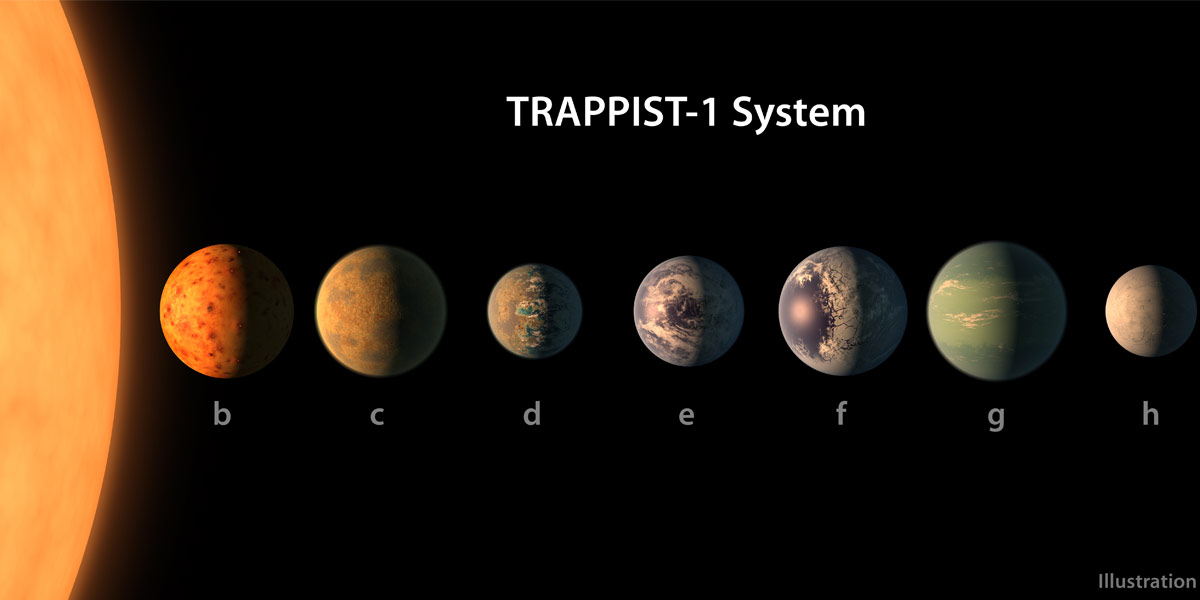
    Illustration of the TRAPPIST-1 planetary system, showing an imagined lineup of the star and its seven Earth-sized planets labeled b through h. From left to right, the image shows a bright, glowing orange star (TRAPPIST-1) taking up the left edge of the image. The seven planets appear in a horizontal row extending to the right, each increasingly distant from the star. The planets are labeled in lowercase letters beneath them from left to right as: b, c, d, e, f, g, and h. TRAPPIST-1b, closest to the star, is depicted with a red-orange, volcanic surface resembling Jupiter’s moon Io. TRAPPIST-1c appears rocky with a slightly darker surface. TRAPPIST-1d is shown with a thin band of water along its terminator—the boundary between the bright day side and dark night side. TRAPPIST-1e and f are both shown as water-covered planets, with increasing ice coverage on their night sides. TRAPPIST-1g appears larger, green-blue in tone, with a cloudy atmosphere resembling Neptune’s, though it remains a rocky planet.  TRAPPIST-1h, the farthest out, is portrayed as a smaller, cold world.
  8. Training Webinars for Subject Matter Experts: Eclipse Outreach

    February 29, 2024 Professional Learning Webinar

    Are you a scientist or engineer who would like to reach informal education audiences? Join NASA's Universe of Learning for a one-hour practical skills webinar to learn about specific strategies and ...

  9. Teachable Moments: The Science of Solar Eclipses and How to Watch with NASA

    Article | Resource Guide
    Get ready for the April 2024 total solar eclipse, by learning about the science behind solar eclipses, how to watch safely, and how to engage students in NASA science. Teachable Moment: The Science of...
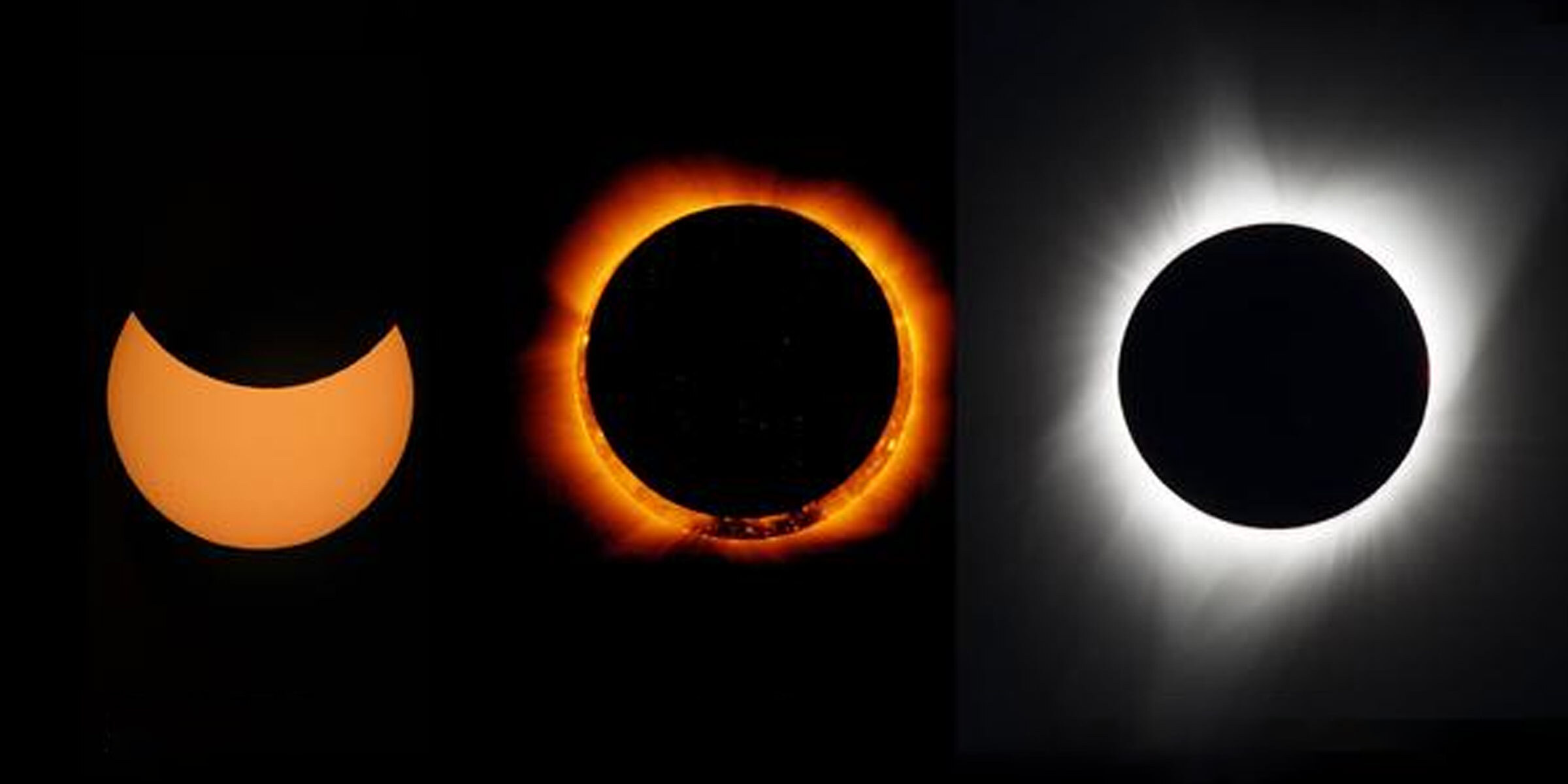
    Three different types of eclipses. A partial eclipse with the Moon covering the top third of the Sun. An annular eclipse with the Moon covering most of the Sun.  A total eclipse with the Sun completely covered by the Moon.
  10. ETS Biweekly Meeting November 1, 2023

    Videos
    Guest speaker Allyson Bieryla of the Center for Astrophysics | Harvard & Smithsonian talked about the Lightsound Project, a solar eclipse sonification tool. Exoplanet Watch citizen scientist Avinash...
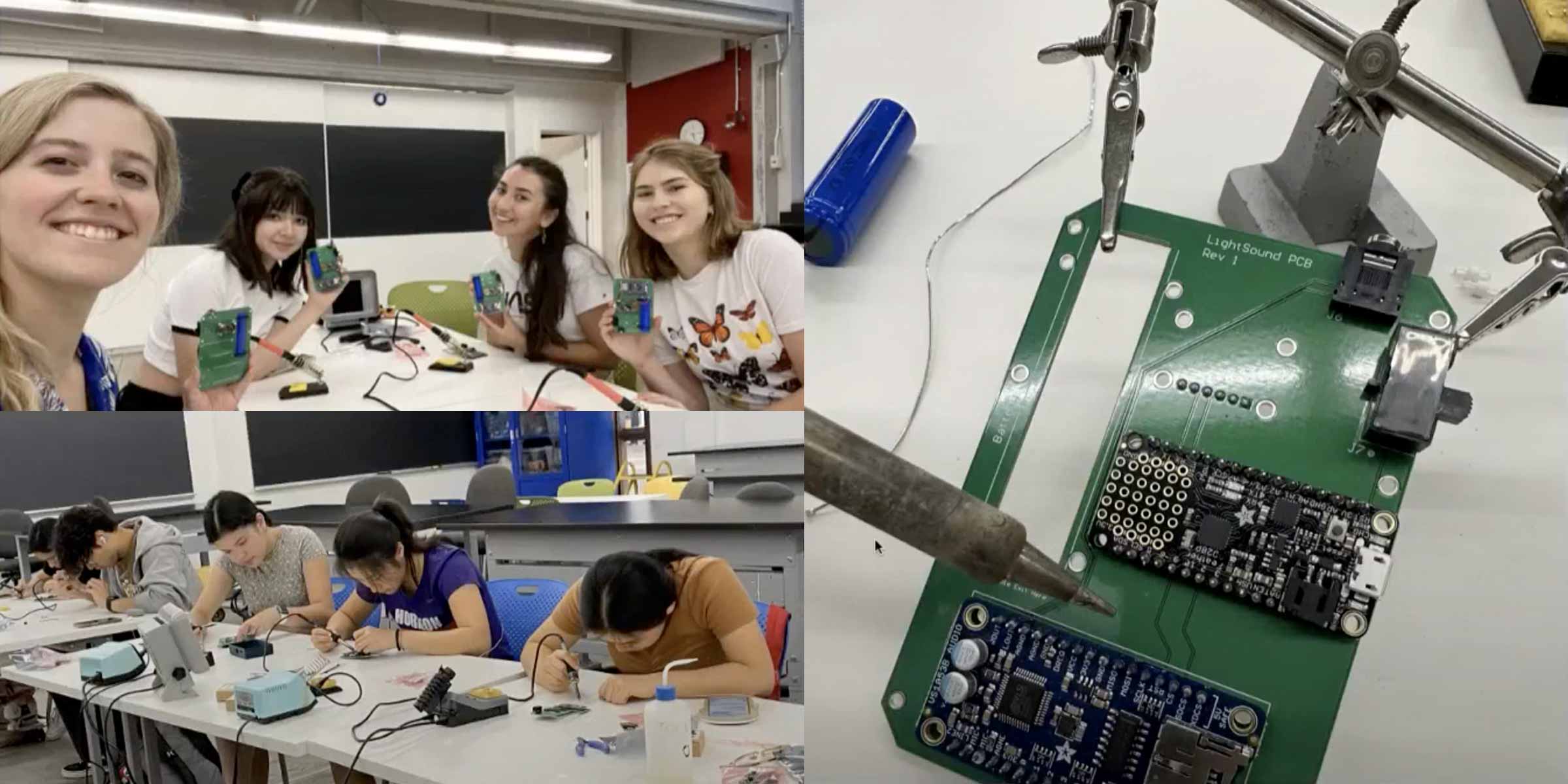
    Three images are combined. At left, the top and bottom half are split evenly and show students collaborating at a long table to build a telescope to track exoplanets. At right are metal tools touching two horizontal motherboards on a green backer.
  11. NASA's Space Jam

    Activities
    Use code to create a solar system that really rocks! Have a blast learning about music, astronomy, and coding all at once! In these activities, you'll program planets to make music that is out of...

    NASA's Space Jam logo shows an artist-drawn hand placed on a record decorated with binary code, stars, and abstract shapes in purple, black, and peach.
  12. Discover Exoplanets Pre-Application Webinar

    December 20, 2022 Professional Learning Webinar

    The next tour of "Discover Exoplanets: The Search for Alien Worlds," a free NASA exhibit, will launch in June 2023, traveling to nine libraries across the country. All public and tribal libraries ...

  13. After School Programming: Intro to Astronomy: Pinhead Institute

    Activities | Program Model | Toolkit
    This program was created to be paired with preexisting programming within informal learning environments. At the Pinhead institute, an introduction to astronomy was incorporated into a variety of after-school...
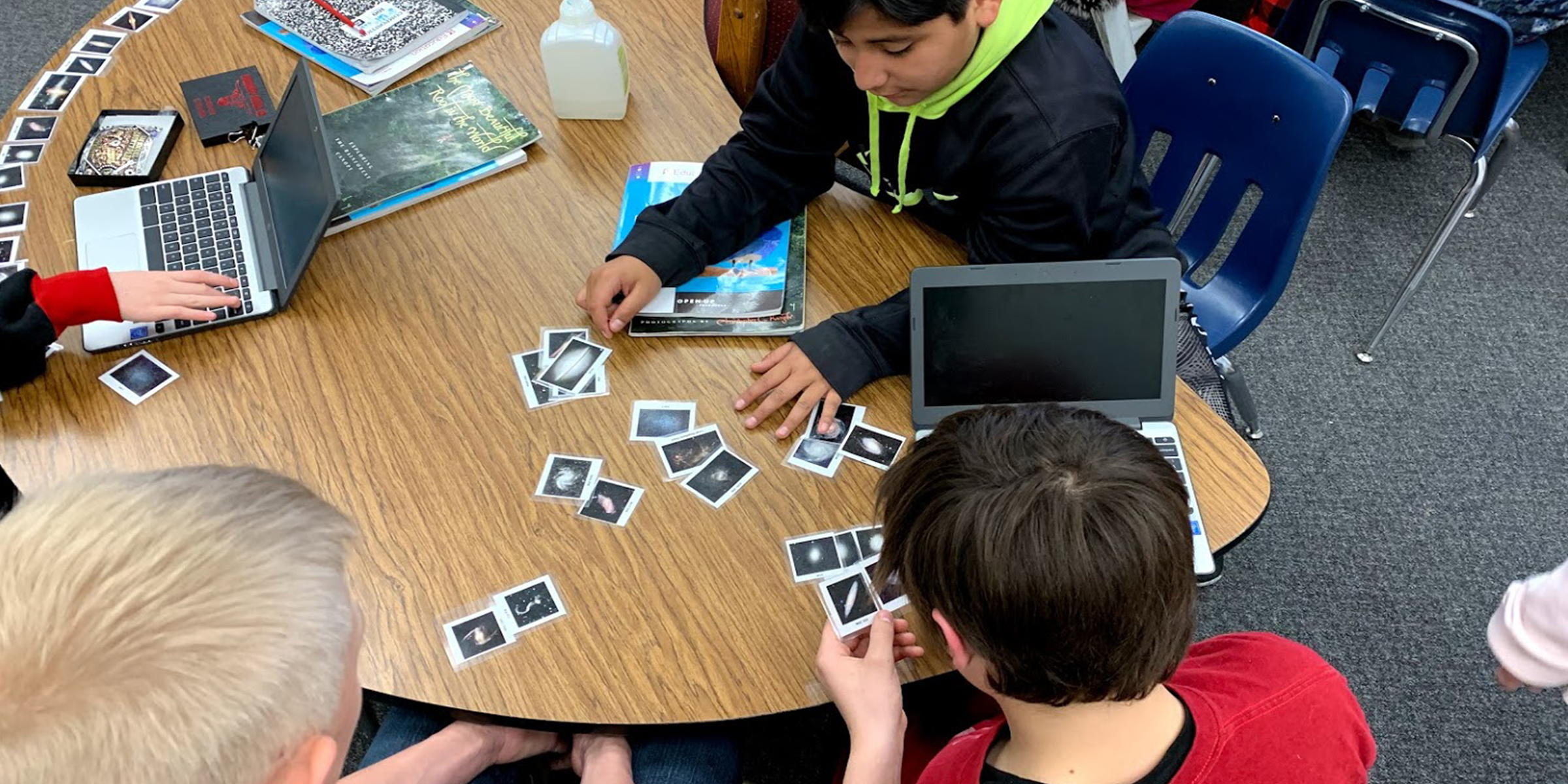
    Students participate in a hands-on activity identifying galaxy types
  14. Sonification of Webb's Transmission Spectrum of Exoplanet WASP-96 b

    Audio | Sonification
    NASA’s James Webb Space Telescope observed the atmospheric characteristics of the hot gas giant exoplanet WASP-96 b – which contains clear signatures of water – and the resulting transmission...
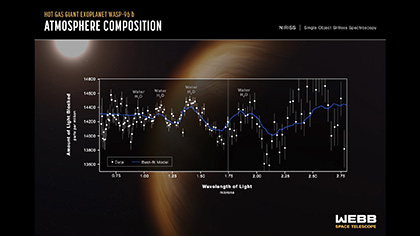
    Video still frame showing glowing vertical line as it sweeps across a transmission spectrum that has been sonified.
  15. Science Briefing: The Art of Science: Data Visualizations in Astronomy

    August 4, 2022 Professional Learning Webinar

    Please join us for this special edition of NASA’s Universe of Learning Science Briefings! We will hear about the artistry of scientific visualizations and how to move from data to images, illustrations, ...